

The global healthcare industry is undergoing a fundamental transformation. For decades, healthcare systems have primarily operated on a reactive model diagnosing and treating diseases after symptoms appear. However, rising healthcare costs, aging populations, increasing chronic disease prevalence, and advancements in digital health technologies are accelerating a shift toward preventive healthcare.
Today, healthcare leaders, insurers, pharmaceutical companies, technology providers, and policymakers are increasingly recognizing that preventing disease is often more effective and economically sustainable than treating it after it develops.
This shift is creating new opportunities across healthcare, biotechnology, diagnostics, digital health, and wellness industries. As preventive healthcare gains momentum, it has the potential to become one of the most significant growth drivers in the global healthcare ecosystem over the next decade.
For organizations operating within healthcare and life sciences, the key question is no longer whether preventive healthcare will grow, but how rapidly it will reshape industry business models, investment priorities, and competitive dynamics.
Why Healthcare Systems Are Moving Toward Prevention
Healthcare systems worldwide face mounting pressures.
Chronic diseases such as diabetes, cardiovascular disease, obesity, respiratory disorders, and certain cancers account for a substantial portion of healthcare spending. Many of these conditions are influenced by lifestyle, environmental factors, and early biological indicators that can be identified before severe symptoms emerge.
Traditional treatment-focused models often result in:
- Higher long-term healthcare costs
- Increased hospital admissions
- Reduced patient quality of life
- Greater burden on healthcare infrastructure
- Escalating insurance expenditures
Preventive healthcare aims to address these challenges by identifying risks earlier and intervening before disease progression occurs.
By focusing on early detection, risk management, lifestyle optimization, and continuous monitoring, healthcare providers can potentially reduce disease incidence while improving long-term patient outcomes.
This approach aligns both clinical and economic objectives, making prevention an increasingly attractive strategy for healthcare stakeholders.
The Technology Revolution Behind Preventive Care
One of the primary reasons preventive healthcare is becoming commercially viable is the rapid advancement of healthcare technology.
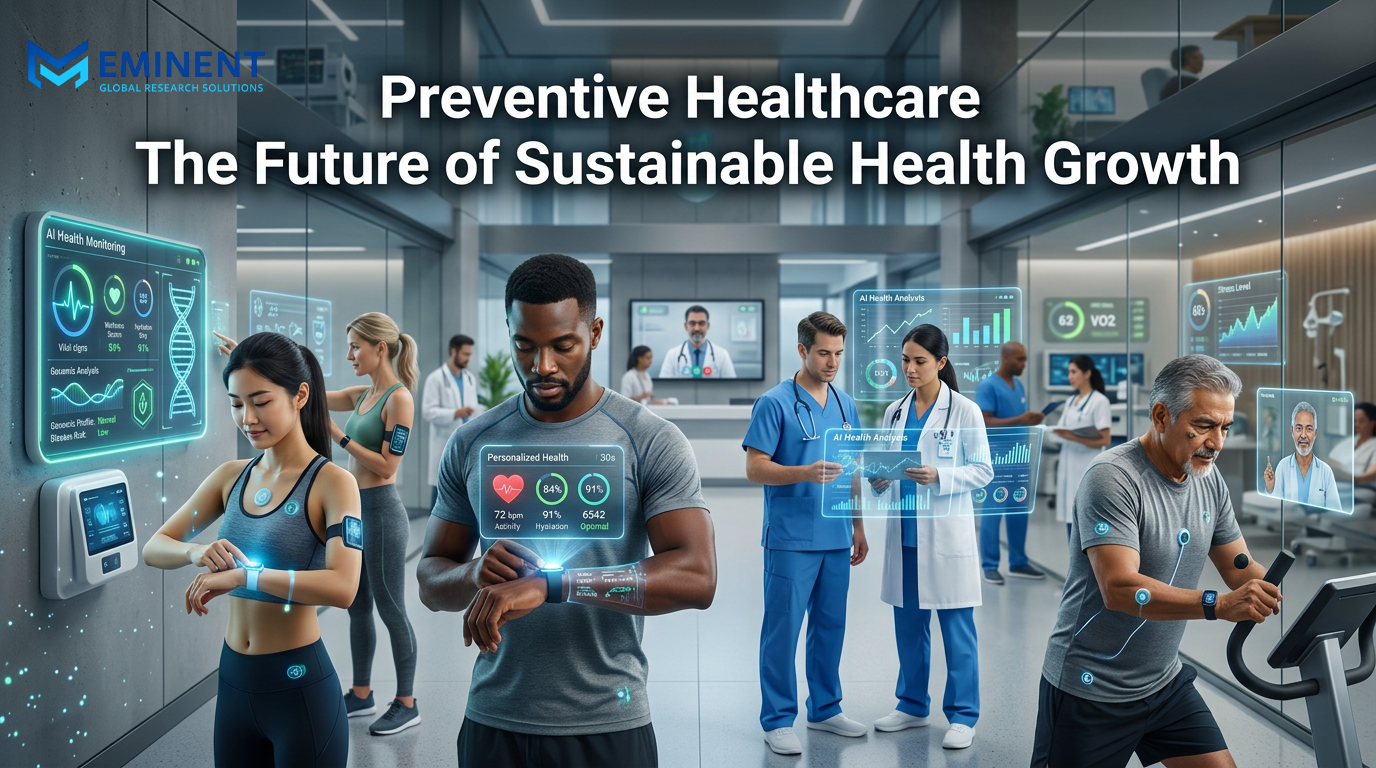
Innovations in diagnostics, artificial intelligence, wearable devices, genomics, and digital health platforms are enabling healthcare providers to detect risks earlier and personalize interventions more effectively than ever before.
Key technologies driving preventive healthcare include:
Artificial Intelligence
AI is helping healthcare organizations identify disease risks, predict patient outcomes, and analyze large volumes of clinical data.
Predictive analytics can detect patterns associated with chronic diseases long before symptoms become visible, enabling earlier intervention.
Wearable Health Devices
Smartwatches, fitness trackers, and remote monitoring systems allow continuous collection of health data.
These technologies provide real-time insights into:
- Heart health
- Sleep quality
- Physical activity
- Blood oxygen levels
- Stress indicators
Continuous monitoring supports proactive healthcare management and patient engagement.
Genomic Testing
Advances in genetic sequencing allow healthcare providers to identify inherited disease risks and develop personalized prevention strategies.
Genomics is increasingly becoming a cornerstone of precision medicine and preventive healthcare planning.
Digital Health Platforms
Virtual care solutions, patient engagement applications, and digital wellness programs help individuals manage health risks before medical intervention becomes necessary.
These platforms create scalable preventive healthcare ecosystems that can reach large populations efficiently.
Prevention Is Creating New Business Models
The rise of preventive healthcare is reshaping revenue opportunities across the healthcare value chain.
Historically, healthcare revenues were heavily linked to diagnostics, treatment procedures, hospital visits, and pharmaceutical prescriptions.
Preventive healthcare introduces entirely new business opportunities centered on:
- Risk assessment services
- Personalized wellness programs
- Health monitoring subscriptions
- Predictive diagnostics
- Preventive therapeutics
- Digital health ecosystems
Healthcare providers are increasingly investing in population health management programs designed to improve outcomes while reducing costs.
Meanwhile, insurers are exploring incentive-based models that reward preventive behaviors and healthier lifestyles.
This evolution is creating opportunities for both traditional healthcare companies and new market entrants.
Pharmaceutical Companies Must Adapt
Preventive healthcare presents both challenges and opportunities for pharmaceutical manufacturers.
Historically, pharmaceutical revenues have often been associated with chronic disease management and long-term treatment regimens.
As prevention becomes more effective, some traditional treatment markets may experience shifts in demand.
However, pharmaceutical companies also have significant opportunities to participate in preventive healthcare through:
- Preventive therapeutics
- Vaccines
- Early intervention treatments
- Biomarker-based diagnostics
- Personalized medicine solutions
Companies that successfully integrate prevention strategies into their portfolios may unlock new growth opportunities while supporting broader healthcare system goals.
The increasing convergence of pharmaceuticals, diagnostics, and digital health is likely to accelerate this trend.
Consumer Demand Is Driving the Shift
Preventive healthcare is not only being driven by healthcare providers and policymakers—it is increasingly being demanded by consumers.
Modern consumers are becoming more proactive about health management and wellness optimization.
Many individuals now actively seek:
- Health monitoring tools
- Personalized nutrition guidance
- Preventive screenings
- Wellness coaching
- Digital health applications
- Longevity-focused solutions
This growing consumer interest is fueling expansion across wellness, fitness, nutrition, and digital healthcare markets.
As healthcare becomes more consumer-centric, preventive services are likely to become increasingly integrated into everyday life.
Organizations that deliver convenient, personalized, and evidence-based preventive solutions may strengthen engagement and long-term customer relationships.
Investment Activity Is Accelerating
Investors are increasingly recognizing preventive healthcare as a major long-term growth opportunity.
Venture capital and corporate investment are flowing into:
- Health technology startups
- AI diagnostics platforms
- Remote patient monitoring solutions
- Precision medicine companies
- Genomics businesses
- Digital therapeutics developers
The growing focus on prevention aligns with broader trends toward healthcare sustainability, operational efficiency, and patient-centered care.
As technology capabilities continue to improve, preventive healthcare markets are expected to attract significant investment across both developed and emerging economies.
Challenges Remain
Despite strong momentum, preventive healthcare adoption faces several challenges.
These include:
- Reimbursement complexities
- Data privacy concerns
- Regulatory requirements
- Healthcare infrastructure limitations
- Patient engagement barriers
- Long-term outcome measurement
Successfully scaling preventive healthcare will require collaboration among healthcare providers, insurers, technology companies, regulators, and policymakers.
Organizations that address these challenges proactively may gain significant advantages as the market evolves.
The Future of Healthcare Growth
Preventive healthcare is increasingly moving from concept to commercial reality.
As AI, genomics, wearable technology, and digital health ecosystems mature, prevention may become a central pillar of healthcare delivery worldwide.
The organizations best positioned for future growth will likely be those that successfully combine:
- Advanced diagnostics
- Predictive analytics
- Personalized care
- Digital engagement
- Preventive intervention strategies
For healthcare providers, pharmaceutical companies, insurers, and investors, preventive healthcare represents more than a healthcare trend—it represents a fundamental shift in how value is created across the healthcare ecosystem.
The next decade may not be defined by who treats disease most effectively, but by who prevents it most successfully.