

Energy Strategy & Procurement: How Data Centers Are Becoming Active Energy Planners
The rapid growth of cloud computing, AI workloads, and hyperscale infrastructure has transformed data centers into one of the world’s fastest-growing energy consumers. As power demand rises and sustainability expectations tighten, energy strategy is no longer a back-office function—it is a core business decision.
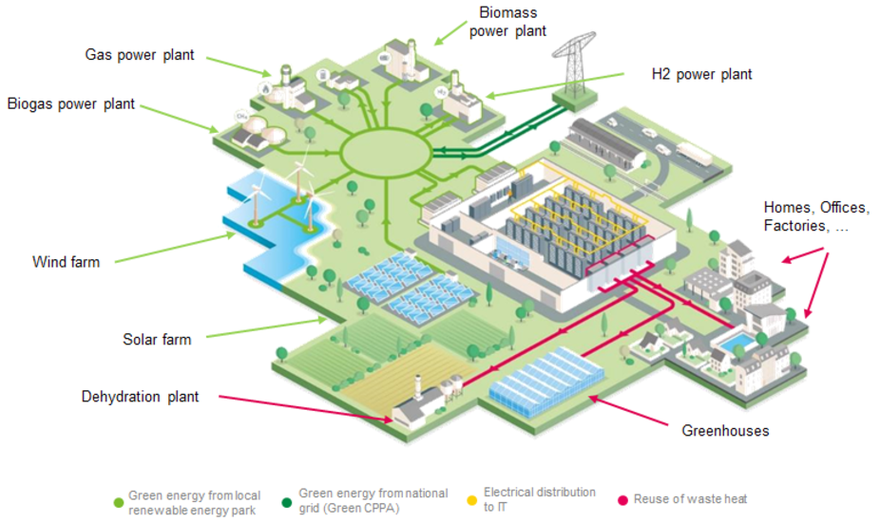
Today, leading data center operators are evolving from passive energy buyers into active energy planners, integrating generation, storage, and long-term procurement strategies to balance reliability, cost, and decarbonization.
From Power Availability to Power Intelligence
Historically, data center energy strategy focused on securing uninterrupted electricity at predictable prices. While uptime remains non-negotiable, this approach is no longer sufficient.
Modern energy strategy emphasizes power intelligence—the ability to:
Forecast demand with precision
Optimize energy sourcing in real time
Align consumption with carbon-reduction goals
This shift reflects a broader industry reality: energy costs, grid constraints, and sustainability metrics directly affect competitiveness and long-term scalability.
The New Energy Strategy Stack
1. On-Site Generation
Data centers are increasingly deploying on-site renewable energy, such as solar installations, to reduce grid dependence and improve resilience. While on-site generation rarely meets 100% of demand, it plays a critical role in peak shaving, cost control, and emissions reduction.
2. Battery Energy Storage Systems (BESS)
BESS has become a strategic asset rather than a backup solution. Storage enables:
Load shifting during peak pricing hours
Grid stabilization and flexibility
Better integration of intermittent renewable sources
As battery costs decline, storage is reshaping OPEX modeling and improving long-term cost predictability.
3. Long-Term Renewable Procurement
Power Purchase Agreements (PPAs) and virtual PPAs are now central to data center procurement strategies. These contracts lock in pricing, reduce exposure to energy volatility, and support large-scale renewable deployment.
The focus is shifting from annual renewable matching to hourly carbon matching, aligning clean energy generation with actual consumption patterns.
How Procurement Models Are Changing
Energy procurement is no longer a simple comparison of tariff rates. Decision-makers must now evaluate:
Contract flexibility vs. long-term price stability
Carbon impact across time intervals, not just annually
Supplier capabilities in energy analytics and reporting
This complexity is driving closer collaboration between procurement teams, sustainability leaders, and operations managers.
OPEX Implications and Cost Optimization
Advanced energy strategies significantly alter operating cost structures. While upfront investments in renewables and storage may be higher, long-term benefits include:
Reduced exposure to price volatility
Lower compliance and carbon-offset costs
Improved financial predictability
Data-driven energy management platforms are increasingly used to simulate scenarios, optimize dispatch, and support informed capital planning.
Vendor Selection: A New Evaluation Framework
Vendor evaluation criteria are expanding beyond traditional performance metrics. Leading operators now assess partners on:
Reliability and uptime guarantees
Energy transparency and reporting capabilities
Support for hourly carbon tracking
Integration with energy analytics platforms
Vendors that combine operational excellence with sustainability intelligence are gaining a competitive edge.
Energy Strategy as a Competitive Advantage
Energy strategy has become a differentiator—not just a cost center. Data centers that actively manage energy procurement and consumption are better positioned to:
Scale rapidly without grid bottlenecks
Meet regulatory and ESG expectations
Attract hyperscale and enterprise clients with sustainability mandates
In an era of rising compute demand and environmental scrutiny, energy strategy is no longer optional—it is foundational.
Conclusion
The future of data centers will be defined not only by compute capacity, but by how intelligently energy is sourced, stored, and managed. As operators transition into active energy planners, those who integrate strategy, analytics, and procurement will lead the next phase of sustainable digital infrastructure growth.