

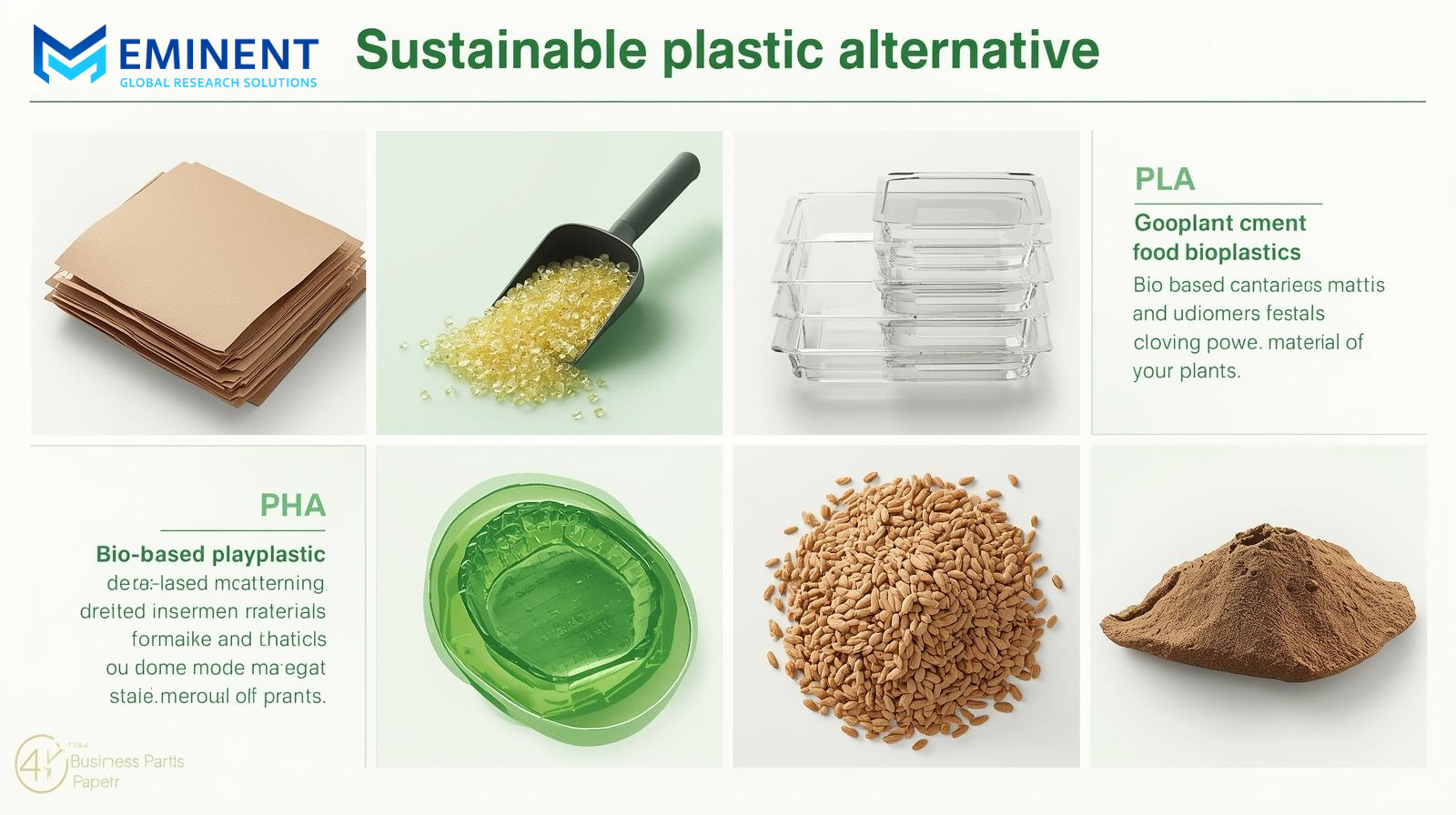
🌱 Plastic Alternatives: Paper, PHA, PLA & Bio-Based Polymers
A Strategic View of Sustainable Materials Transforming the Packaging Industry
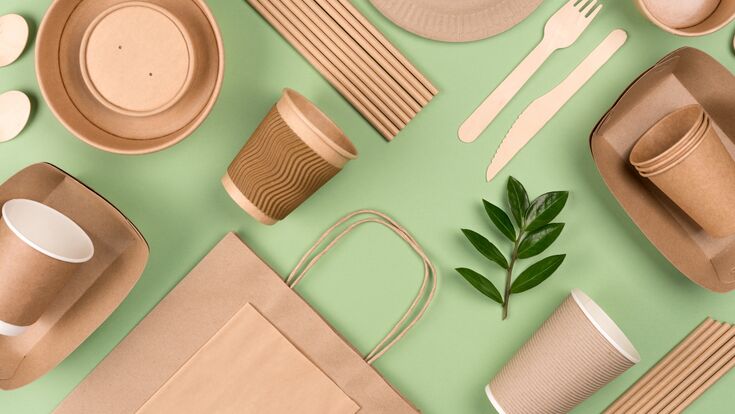
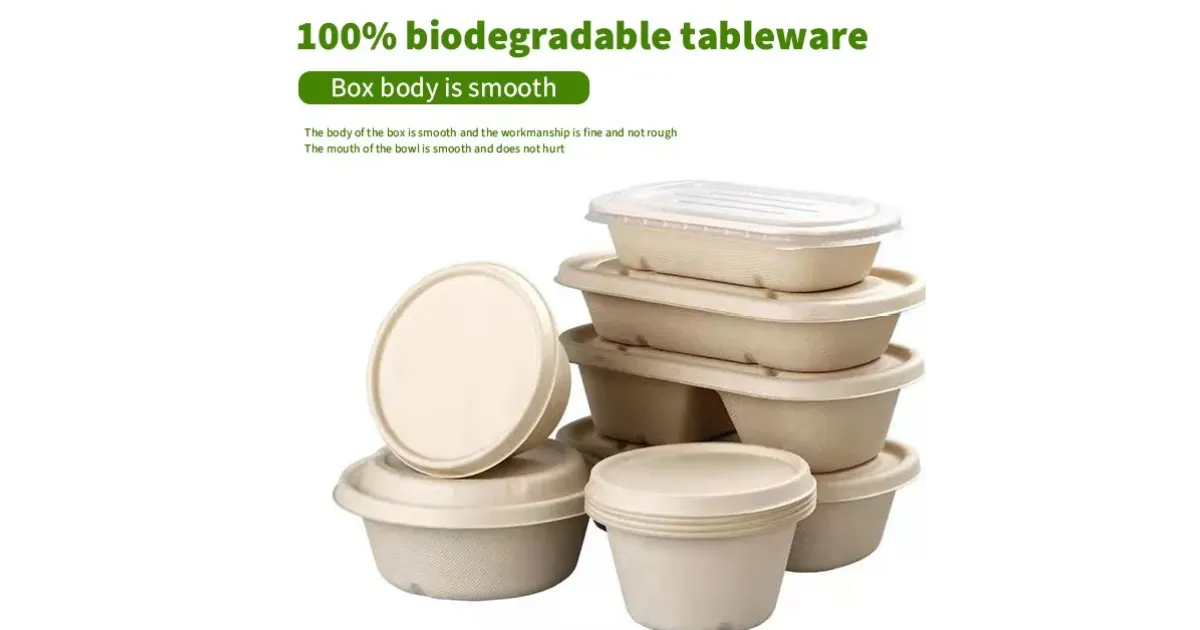
As sustainability regulations tighten and consumer demand for eco-friendly products accelerates, industries are actively shifting away from conventional petroleum-based plastics. Materials such as paper, PHA, PLA, and other bio-based polymers are emerging as viable alternatives—each offering unique environmental, regulatory, and commercial advantages.
For businesses navigating innovation, compliance, and IP strategy, understanding these materials is no longer optional—it is strategic.
1️⃣ Paper-Based Packaging: The Renewable Front-Runner
Overview
Paper remains one of the most widely adopted plastic alternatives due to its renewability, recyclability, and strong consumer acceptance.
Key Advantages
Derived from renewable wood pulp
Widely recyclable infrastructure
Strong branding and printability
Lower consumer resistance compared to plastics
Innovation Trends
Barrier-coated paper replacing plastic laminates
Water-resistant and grease-resistant paper technologies
Molded fiber packaging for electronics & food
Challenges
Moisture sensitivity
Durability limitations
Deforestation concerns if not sustainably sourced
Paper is increasingly engineered with advanced coatings to compete with flexible plastic packaging in food and FMCG sectors.
2️⃣ PHA (Polyhydroxyalkanoates): The Marine-Biodegradable Solution
Overview
PHA is a family of biopolymers produced by microbial fermentation of plant sugars or oils.
Why It Stands Out
Fully biodegradable (including marine environments)
Compostable without industrial facilities
Derived from renewable feedstocks
Applications
Food packaging films
Agricultural films
Disposable cutlery
Medical applications
Industry Insight
PHA is gaining traction as regulators impose stricter single-use plastic bans and marine pollution laws.
Key Barrier
Higher production cost compared to conventional plastics
Limited large-scale manufacturing capacity
As production scales, cost competitiveness is expected to improve significantly.
3️⃣ PLA (Polylactic Acid): The Commercially Mature Bioplastic
Overview
PLA is derived from fermented plant starch (commonly corn or sugarcane) and is one of the most widely used bioplastics globally.
Advantages
Transparent & lightweight
Industrially compostable
Compatible with existing plastic processing equipment
Common Applications
Food containers
Bottles
3D printing filaments
Flexible packaging
Regulatory Considerations
PLA requires industrial composting conditions and may not degrade effectively in natural environments.
Despite this limitation, PLA remains a leading choice for brands seeking lower carbon footprint packaging.
4️⃣ Bio-Based Polymers: The Broad Innovation Spectrum
Bio-based polymers extend beyond PLA and PHA and include materials partially or fully derived from biomass.
Examples
Bio-PE (bio-based polyethylene)
Bio-PET
Starch blends
Cellulose-based polymers
Market Drivers
Extended Producer Responsibility (EPR) regulations
ESG commitments
Corporate sustainability targets
Plastic taxation policies
Competitive Landscape
Major global brands are investing heavily in bio-based polymer R&D to balance performance with sustainability compliance.
🌍 Regulatory & Market Momentum
Global policies are accelerating adoption:
Single-use plastic bans
Plastic packaging taxes
Recyclability mandates
Carbon neutrality goals
Regions like the EU and parts of APAC are particularly aggressive in driving material transition, creating strong demand for alternative polymers.
📊 Strategic Considerations for Businesses
When choosing between paper, PHA, PLA, or other bio-based polymers, companies must evaluate:
Cost vs. scalability
End-of-life infrastructure
Regulatory compliance
Consumer perception
IP and patent landscape
Supply chain availability
For innovation-driven organizations, conducting patent landscape analysis and freedom-to-operate (FTO) assessments is critical before commercial adoption.
🔮 Future Outlook
The future of packaging will likely be multi-material, combining paper structures with biodegradable coatings or bio-based polymer blends. The transition is not about replacing plastic entirely—but about designing smarter, circular solutions aligned with environmental and regulatory realities.
Companies that integrate sustainability, regulatory intelligence, and technology foresight will lead the next decade of packaging innovation.