

From Data to Decisions: How Analytics Is Driving Industry Performance
In today’s digital economy, data is no longer a byproduct of operations—it is a strategic asset. Organizations across industries generate vast volumes of data from customers, machines, supply chains, financial systems, and digital platforms. However, the real value lies not in collecting data, but in converting it into timely, actionable decisions.
This shift—from raw data to decision intelligence—is redefining how industries improve performance, manage risk, and sustain competitive advantage.
The Evolution of Analytics in Industry
Analytics has evolved significantly over the past decade:
Descriptive analytics explained what happened
Diagnostic analytics clarified why it happened
Predictive analytics forecasted what could happen next
Prescriptive analytics now recommends what actions to take
Industries are moving beyond static dashboards toward real-time, AI-driven insights that directly influence operational and strategic decisions.
Why Data-Driven Decision-Making Matters
Across sectors, organizations that embed analytics into decision-making consistently outperform peers by:
Responding faster to market changes
Optimizing costs and resource allocation
Improving customer satisfaction
Reducing operational and financial risk
In uncertain economic and regulatory environments, analytics provides clarity where intuition alone falls short.
Key Ways Analytics Is Driving Industry Performance
1. Operational Efficiency and Cost Optimization
Advanced analytics enables organizations to identify inefficiencies across production, logistics, energy usage, and asset utilization. Predictive maintenance models reduce downtime, while process analytics streamline workflows and lower operating expenses.
2. Better Strategic Planning
Forecasting models help leadership teams evaluate scenarios related to demand, pricing, capacity, and investment. This allows organizations to make informed decisions on expansion, capital allocation, and market entry.
3. Enhanced Customer Insights
Customer analytics uncovers behavioral patterns, preferences, and churn risks. Industries such as retail, telecom, and financial services use these insights to personalize offerings, improve retention, and increase lifetime value.
4. Risk Management and Compliance
Analytics plays a critical role in identifying fraud, credit risk, supply disruptions, and regulatory exposure. Real-time monitoring systems enable early detection and proactive mitigation.
5. Performance Measurement and Accountability
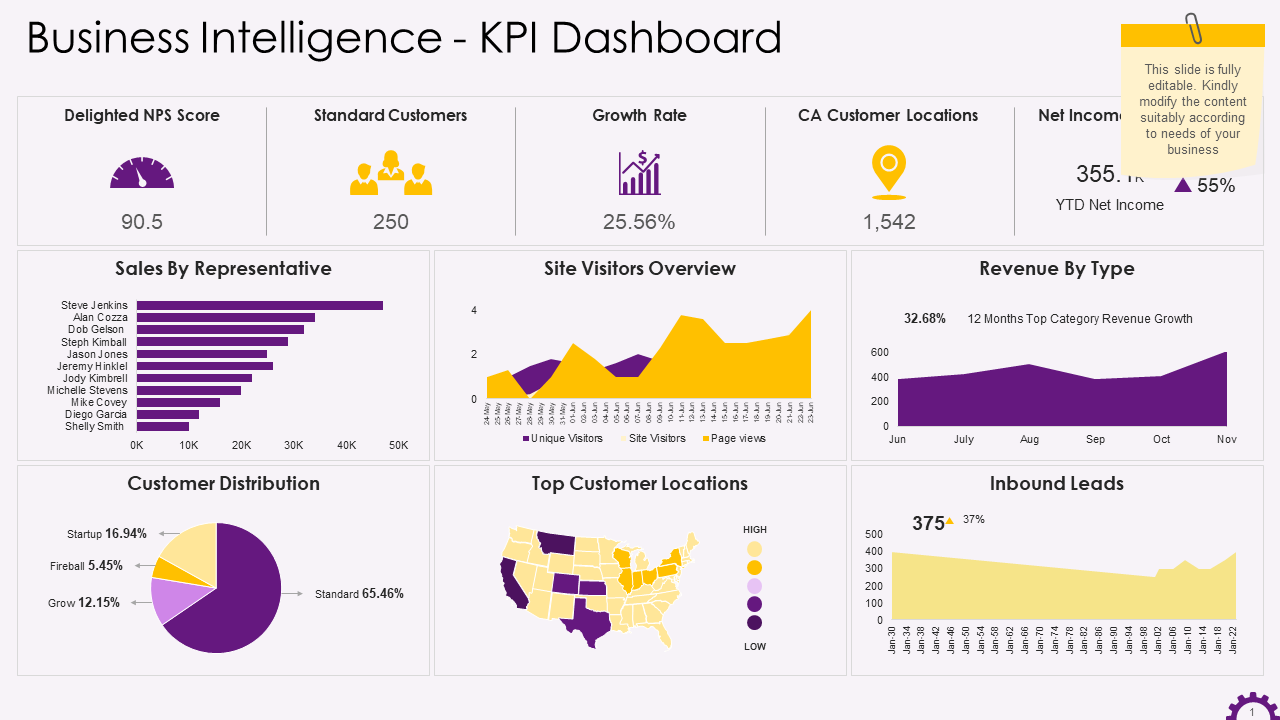
Data-driven KPIs provide transparency across business units. Leaders can track performance against benchmarks, identify gaps, and align teams around measurable outcomes.
The Role of AI and Advanced Analytics
Artificial intelligence and machine learning have accelerated the impact of analytics by enabling:
Automated pattern recognition
Real-time decision support
Continuous model learning and improvement
These capabilities allow organizations to move from periodic analysis to continuous intelligence, where decisions evolve dynamically as conditions change.
Challenges in Turning Data into Decisions
Despite its potential, many organizations struggle with:
Data silos across departments
Poor data quality and governance
Lack of analytics talent
Insights that fail to translate into action
Successful organizations address these challenges by aligning analytics initiatives with business objectives and embedding insights directly into workflows.
Building a Data-Driven Culture
Analytics delivers the greatest value when supported by a data-driven culture. This requires:
Leadership commitment to evidence-based decisions
Cross-functional collaboration
Investment in data literacy and skills
Clear ownership of insights and outcomes
When decision-makers trust and use data consistently, analytics becomes a strategic enabler rather than a reporting function.
Analytics as a Competitive Advantage
From manufacturing and healthcare to finance and energy, analytics is no longer optional. Organizations that effectively translate data into decisions gain:
Faster response times
Greater operational resilience
Stronger customer relationships
Sustainable long-term performance
In an increasingly complex business environment, analytics is the bridge between information and impact.
Conclusion
The future of industry performance will be shaped by how effectively organizations turn data into decisions. Those that move beyond dashboards to decision intelligence will lead their markets, while others risk falling behind despite having access to the same data.
Analytics is not just about insight—it is about action, accountability, and advantage.