
Top Strategic Risks Facing Global Industries and How to Mitigate Them
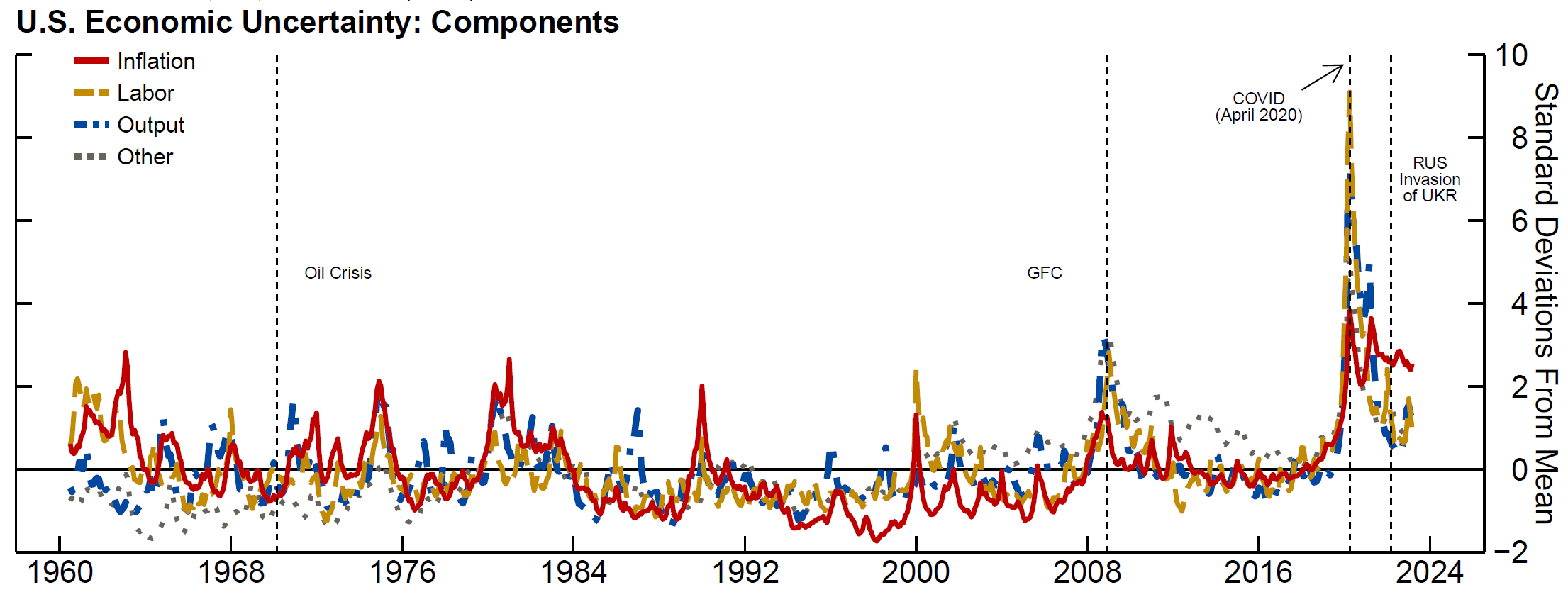
Global industries are operating in an environment defined by uncertainty. From geopolitical instability and economic volatility to technological disruption and climate-related pressures, strategic risk has become a constant rather than an exception.
Organizations that proactively identify, quantify, and mitigate these risks are better positioned to protect margins, sustain growth, and maintain competitive advantage. This article outlines the most critical strategic risks affecting industries worldwide and practical approaches to managing them.
1. Geopolitical and Trade Risks
Rising geopolitical tensions, shifting trade alliances, and sanctions regimes are reshaping global supply chains. Industries dependent on cross-border sourcing, manufacturing, or sales face increased exposure to tariffs, export controls, and political instability.
Mitigation strategies:
Diversify sourcing and manufacturing footprints
Develop regionalized supply chains where feasible
Conduct scenario planning for trade and policy shocks
2. Economic Volatility and Inflationary Pressure
Fluctuating interest rates, currency instability, and persistent inflation are squeezing margins across industries. Unpredictable demand patterns further complicate forecasting and capital planning.
Mitigation strategies:
Implement dynamic pricing and cost-pass-through mechanisms
Strengthen financial modeling and stress testing
Hedge currency and interest-rate exposure
3. Supply Chain Disruptions
Global supply chains remain vulnerable to natural disasters, labor shortages, logistics bottlenecks, and supplier insolvencies. Single-source dependencies significantly amplify operational risk.
Mitigation strategies:
Build multi-supplier and multi-region sourcing models
Increase visibility through supply-chain analytics
Maintain strategic inventory buffers for critical inputs
4. Cybersecurity and Data Risks
As industries accelerate digital transformation, cyber threats have escalated in both frequency and sophistication. Data breaches, ransomware attacks, and system outages pose financial, reputational, and regulatory risks.
Mitigation strategies:
Invest in advanced cybersecurity frameworks
Conduct regular vulnerability assessments and audits
Train employees on cyber awareness and incident response
5. Regulatory and Compliance Uncertainty
Frequent changes in regulations related to data privacy, sustainability, labor, and taxation increase compliance complexity. Non-compliance can lead to fines, operational disruptions, and reputational damage.
Mitigation strategies:
Monitor regulatory developments across operating regions
Embed compliance into enterprise risk management systems
Engage proactively with regulators and industry bodies
6. Technology Disruption and Obsolescence
Rapid innovation in AI, automation, and digital platforms is disrupting traditional business models. Companies that fail to adapt risk losing relevance and market share.
Mitigation strategies:
Invest in continuous innovation and digital capabilities
Partner with technology providers and startups
Upskill the workforce to align with future requirements
7. Talent Shortages and Workforce Transformation
Demographic shifts, evolving skill requirements, and changing employee expectations are creating talent gaps across industries. Workforce instability directly impacts productivity and execution capability.
Mitigation strategies:
Implement long-term talent planning and reskilling programs
Strengthen employer branding and employee engagement
Leverage flexible and hybrid workforce models
8. Climate, ESG, and Sustainability Risks
Climate change, resource scarcity, and ESG expectations are influencing investment decisions and customer preferences. Companies face growing pressure to demonstrate environmental and social responsibility.
Mitigation strategies:
Integrate ESG into corporate strategy and reporting
Invest in energy efficiency and low-carbon solutions
Enhance transparency across value chains
Turning Risk into Strategic Advantage
While these risks present significant challenges, they also create opportunities. Organizations that embed risk management into strategic planning can respond faster to disruption, allocate capital more effectively, and build long-term resilience.
The most successful companies are shifting from reactive risk management to proactive, data-driven decision-making, using analytics, scenario modeling, and continuous monitoring to stay ahead of uncertainty.
Conclusion
Strategic risks are no longer isolated events—they are systemic forces shaping global industries. Companies that recognize this reality and invest in structured mitigation strategies will not only protect their operations but also strengthen their competitive position in an increasingly complex global market.