

Open Innovation and R&D Trends Across Industries
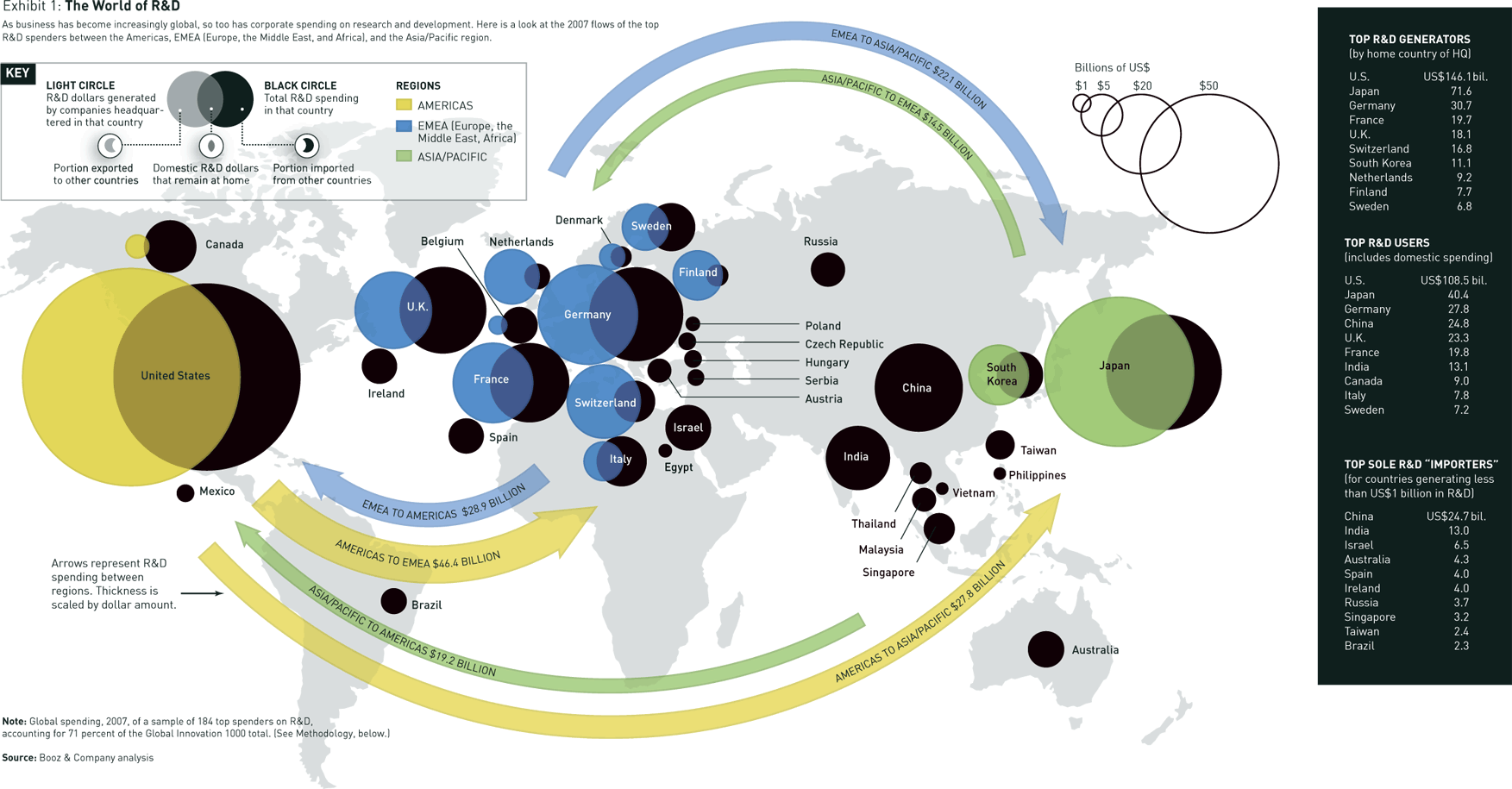
Innovation is no longer confined within the four walls of an organization. As technologies evolve faster, product life cycles shorten, and competitive pressure intensifies, companies across industries are rethinking how research and development (R&D) is conducted. The result is a clear shift from closed, internal innovation models to open innovation ecosystems that leverage external knowledge, partnerships, and shared capabilities.
Across manufacturing, healthcare, energy, technology, finance, and consumer industries, open innovation is redefining how ideas move from concept to commercialization.
The Shift from Closed to Open Innovation
Traditional R&D models focused on in-house teams, proprietary research, and long development timelines. While this approach offered control, it often limited speed, diversity of ideas, and scalability.
Open innovation changes this dynamic by encouraging organizations to:
Collaborate with startups, universities, suppliers, and research institutions
Co-develop solutions with customers and technology partners
License, acquire, or invest in external innovations
This model allows companies to access global talent, reduce time-to-market, and share development risk.
Key Open Innovation Trends Across Industries
1. Industry–Startup Collaboration
Large enterprises are increasingly partnering with startups to accelerate innovation. Startups bring agility and niche expertise, while corporations offer scale, capital, and market access. This collaboration is common across sectors such as mobility, fintech, health tech, and clean energy.
2. R&D Ecosystems and Innovation Hubs
Instead of isolated R&D centers, companies are building or participating in innovation hubs and clusters. These ecosystems foster cross-industry collaboration, enabling faster experimentation and technology transfer.
3. Open Platforms and APIs
Open platforms and APIs allow third parties to build on existing products and services. This approach expands innovation beyond internal teams and creates network effects, especially in software, financial services, and industrial IoT.
4. University and Research Institution Partnerships
Academic partnerships remain a cornerstone of open innovation. Industries such as pharmaceuticals, advanced materials, semiconductors, and energy rely heavily on university-led research for early-stage breakthroughs.
5. Corporate Venture Capital (CVC)
Corporate venture capital arms are playing a growing role in innovation strategy. Beyond financial returns, CVC investments provide early visibility into emerging technologies and future market disruptors.
R&D Trends Shaping the Next Decade
Data-Driven R&D
Advanced analytics, simulation, and AI are transforming how R&D decisions are made. Data-driven models improve experiment design, reduce failure rates, and accelerate product development across industries.
Faster Commercialization Cycles
Pressure to deliver results quickly is shortening R&D timelines. Modular design, rapid prototyping, and digital twins enable faster testing and iteration.
Sustainability-Led Innovation
Environmental and regulatory pressures are driving R&D toward sustainable materials, energy efficiency, circular economy models, and low-carbon technologies. Sustainability is no longer a compliance requirement—it is a core innovation driver.
Cross-Industry Knowledge Transfer
Innovations increasingly move across industry boundaries. Technologies developed for aerospace, automotive, or electronics are being adapted for healthcare, energy, and consumer applications, unlocking new growth opportunities.
Benefits of Open Innovation for Businesses
Organizations adopting open innovation models gain:
Faster time-to-market
Reduced R&D costs and shared risk
Access to diverse expertise and global talent
Greater flexibility in responding to market changes
Most importantly, open innovation improves the alignment between R&D investments and real-world market needs.
Challenges and Risk Management
Despite its advantages, open innovation introduces challenges:
Intellectual property protection
Data security and confidentiality
Cultural alignment between partners
Governance and decision-making complexity
Successful companies address these risks through clear partnership frameworks, strong IP policies, and transparent collaboration models.
The Strategic Role of Open Innovation
Open innovation is no longer an optional strategy—it is becoming a competitive necessity. Companies that combine internal R&D strength with external collaboration are better positioned to navigate technological disruption and evolving customer expectations.
Conclusion
Across industries, the future of R&D lies in openness, collaboration, and ecosystem thinking. As innovation becomes more complex and interconnected, organizations that embrace open innovation will not only innovate faster—but more effectively and sustainably.