
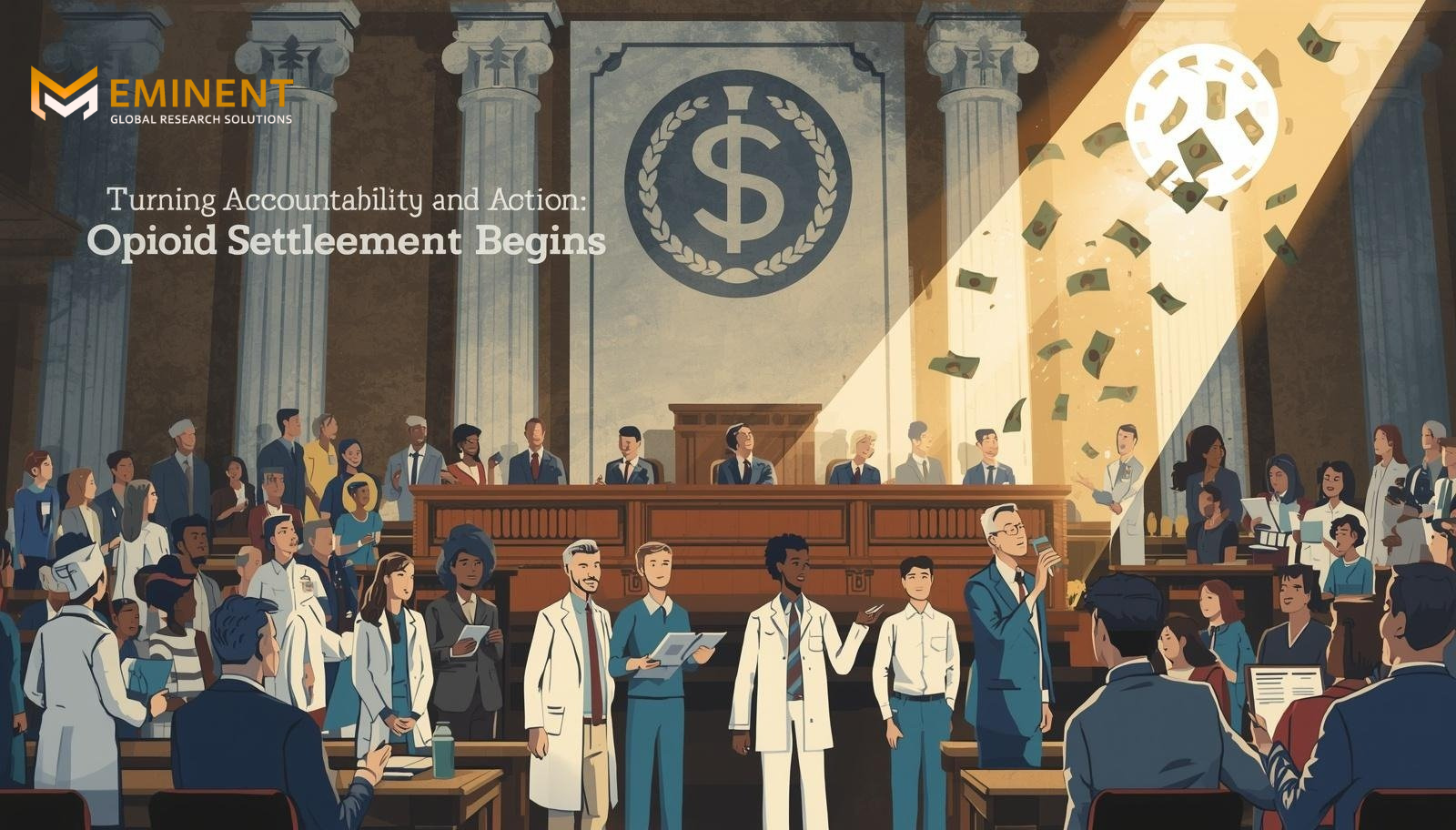
The long-running legal saga surrounding Purdue Pharma is approaching a critical milestone. With sentencing in the opioid case expected imminently, the path is being cleared for one of the most significant settlement payouts in U.S. legal history to finally begin distribution. If implemented as anticipated, the settlement—approved last year—could take effect as early as May 1, unlocking billions of dollars intended to address the devastating impact of the opioid epidemic.
For stakeholders across healthcare, legal, and research domains, this moment represents more than just legal closure. It marks the transition from litigation to restitution and recovery—an inflection point with far-reaching implications.
Background: The Scale of the Crisis
The opioid crisis has been one of the most severe public health emergencies in modern history, resulting in hundreds of thousands of deaths and millions of lives disrupted. At the center of this crisis has been the aggressive marketing and distribution of opioid medications, particularly OxyContin, by Purdue Pharma.
The company faced extensive allegations that it misrepresented the addictive risks of its products while promoting widespread prescription use. Over the years, thousands of lawsuits were filed by states, municipalities, tribes, and individuals seeking accountability and compensation.
The Settlement Framework
The settlement approved last year is designed to resolve these claims comprehensively. It includes:
- Multi-billion-dollar compensation fund to support opioid abatement programs
- Restructuring of Purdue Pharma into a public benefit entity
- Contributions from the Sackler family, the company’s former owners
- Strict controls on future opioid marketing and distribution practices
While the legal framework has been in place, delays in final sentencing and procedural steps have held up the actual flow of funds—until now.
Why Sentencing Matters
Sentencing is the final legal step required to operationalize the settlement. Once completed, it will:
- Trigger the release of settlement funds
- Allow states and local governments to access resources for treatment and prevention
- Enable long-planned public health initiatives to move forward
This is particularly critical for communities that have been waiting years for financial support to combat addiction, improve healthcare infrastructure, and fund recovery programs.
Impact on Public Health Systems
The release of funds is expected to significantly bolster public health efforts. Key areas of investment will likely include:
- Addiction treatment programs
- Mental health services
- Naloxone distribution and overdose prevention
- Public awareness and education campaigns
- Research into pain management alternatives
For research organizations like Eminent Global Research Solutions, this presents a major opportunity to contribute data-driven insights, evaluate program effectiveness, and support evidence-based policy development.
Legal and Corporate Implications
The Purdue Pharma case is also setting important precedents in corporate accountability. It demonstrates how large-scale litigation can reshape industry practices and impose long-term oversight mechanisms.
Key takeaways include:
- Increased scrutiny of pharmaceutical marketing practices
- Expansion of corporate liability in public health crises
- Growing importance of compliance and ethical governance frameworks
This case will likely influence how future lawsuits against corporations are structured, particularly in industries where public health risks are involved.
Challenges Ahead
Despite the progress, several challenges remain:
- Distribution complexity: Allocating funds fairly across states and communities requires careful coordination
- Oversight and transparency: Ensuring funds are used effectively will require robust monitoring systems
- Sustained impact: One-time funding must translate into long-term solutions
Additionally, some critics argue that the settlement does not go far enough in holding individuals accountable, particularly members of the Sackler family. These concerns continue to shape public discourse around the case.
What This Means for Research and Consulting Firms
For organizations like Eminent Global Research Solutions, the activation of this settlement opens up new avenues:
- Policy advisory services for governments and institutions
- Program evaluation and impact assessment
- Healthcare market analysis
- Risk and compliance consulting for pharma companies
As funds begin to flow, there will be increased demand for expertise in implementation, monitoring, and optimization of public health initiatives.
A Broader Shift Toward Accountability
The imminent sentencing of Purdue Pharma is not just the conclusion of a legal battle—it is a symbol of a broader shift in how society addresses corporate responsibility in healthcare.
It reflects growing expectations that companies must not only innovate but also act ethically, transparently, and with a clear commitment to public welfare.
Conclusion
As May 1 approaches, all eyes are on the final sentencing that will unlock billions in settlement funds. For communities affected by the opioid crisis, this represents a long-awaited step toward healing and recovery.
For industry stakeholders, it is a reminder that accountability, compliance, and ethical practices are no longer optional—they are foundational to sustainable business operations.
Eminent Global Research Solutions stands ready to support this transition, offering strategic insights and research capabilities to help stakeholders navigate this complex and evolving landscape.