

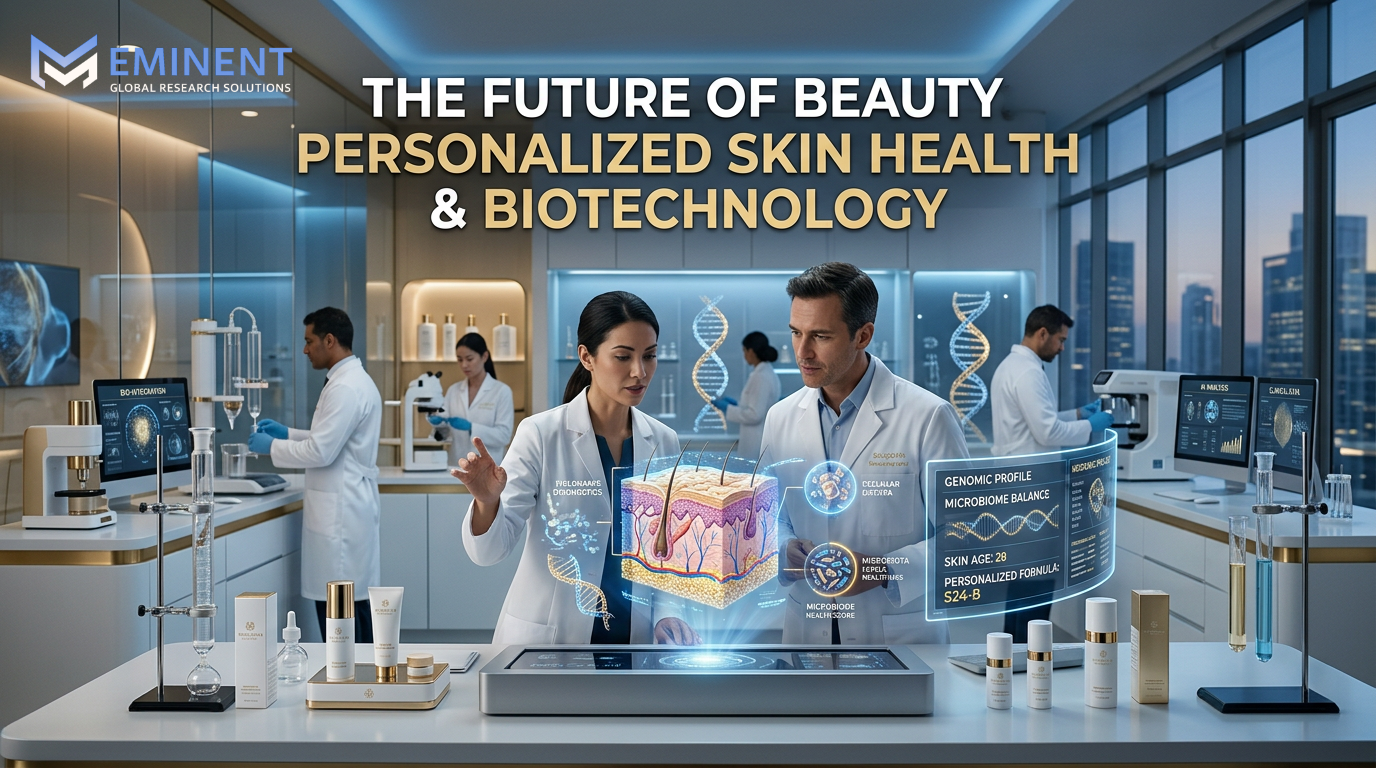
The partnership between L’Oréal and the Institut Pasteur represents a major shift in the global beauty and healthcare industries. More than a traditional cosmetics collaboration, this alliance highlights the growing convergence of biotechnology, preventive healthcare, diagnostics, and personalized beauty solutions.
As scientific understanding of skin biology advances, the beauty market is evolving beyond aesthetics toward a broader “skin health” category focused on long-term wellness, prevention, and individualized care.
This transformation is reshaping how companies develop products, engage consumers, and position themselves competitively in the premium beauty market. The future of skincare may no longer be defined solely by cosmetic enhancement but by scientifically validated solutions designed to improve skin function, monitor biological changes, and support overall health outcomes.
For businesses operating across beauty, healthcare, biotechnology, and consumer wellness sectors, the emergence of skin health presents a significant strategic opportunity.
Companies capable of integrating diagnostics, AI-driven personalization, biotechnology innovation, and preventive health insights into consumer skincare experiences may unlock new premiumization opportunities while strengthening long-term consumer trust.
The Evolution from Beauty to Skin Health
For decades, the beauty industry largely focused on appearance-driven solutions centered around hydration, anti-aging, cleansing, and cosmetic enhancement. Product differentiation was often driven by branding, ingredients, packaging, and marketing claims.
Today, consumer expectations are changing rapidly.
Modern consumers increasingly seek products supported by scientific evidence, personalized recommendations, and measurable wellness benefits. Skincare is becoming more closely associated with health management, preventive care, and biological optimization rather than simple cosmetic improvement.
This shift is being accelerated by several factors:
- Advances in biotechnology and microbiome research
- Rising consumer interest in wellness and longevity
- Growth of personalized healthcare solutions
- Increased awareness of environmental impacts on skin
- Expansion of AI-powered diagnostics and digital health tools
The partnership between a global beauty leader and a world-renowned biomedical research institution demonstrates how skincare is becoming more science-driven and health-oriented.
This convergence creates the foundation for a new category where skin is viewed not only as a cosmetic surface but also as a biological system closely connected to immunity, aging, environmental exposure, and overall health.
Why Skin Science Is Becoming Strategically Important
Skin is the body’s largest organ and plays a critical role in immune defense, microbiome balance, inflammation regulation, and environmental protection.
Scientific research increasingly shows that skin condition can provide important insights into broader health patterns, aging processes, and lifestyle impacts.
As biotechnology and dermatological research advance, companies are gaining deeper understanding of:
- Skin microbiome interactions
- Cellular aging mechanisms
- Environmental stress responses
- Genetic influences on skin health
- Inflammatory biomarkers
- Personalized skin biology
This knowledge allows organizations to move beyond generic skincare products toward highly targeted and individualized solutions.
The commercialization potential is substantial.
Consumers are becoming more willing to pay premium prices for products and services that offer:
- Clinically validated efficacy
- Personalized treatment recommendations
- Preventive health benefits
- Biotechnology-backed formulations
- Long-term skin health optimization
This creates opportunities for companies to reposition skincare from a discretionary cosmetic purchase to a scientifically supported wellness investment.
The Rise of Personalized Skincare
One of the most significant trends emerging from the healthcare-beauty convergence is personalization.
Traditional skincare products were designed for broad demographic groups such as “dry skin,” “oily skin,” or “anti-aging.” However, advancements in AI, genomic analysis, microbiome research, and digital diagnostics now allow companies to develop individualized skincare strategies tailored to each consumer’s biological profile.
Future skin health ecosystems may include:
- AI-powered skin diagnostics
- Real-time skin monitoring tools
- Personalized ingredient recommendations
- Genetic-based skincare analysis
- Microbiome-focused treatment solutions
- Preventive wellness programs
This level of personalization strengthens both consumer engagement and brand loyalty.
Consumers receiving customized skincare recommendations supported by scientific insights are more likely to perceive higher value, trust product effectiveness, and maintain long-term relationships with brands.
For companies, personalized skincare also creates opportunities for subscription models, recurring services, data-driven engagement, and premium product positioning.
Biotechnology Is Reshaping Beauty Innovation
Biotechnology is becoming one of the most influential innovation drivers in the beauty industry.
Historically, cosmetics innovation focused heavily on formulation chemistry and ingredient discovery. Today, biotechnology enables deeper biological intervention and precision-targeted skincare development.
Emerging technologies influencing skin health innovation include:
- Microbiome engineering
- Bioactive peptide development
- Cellular regeneration research
- Synthetic biology
- Biomarker-based diagnostics
- Regenerative medicine technologies
Partnerships between beauty companies and biomedical research organizations are likely to become increasingly common as organizations seek scientific credibility and access to advanced research capabilities.
This shift also raises the competitive threshold within the beauty market.
Brands that rely solely on traditional marketing-driven differentiation may face increasing pressure from science-backed competitors capable of demonstrating measurable efficacy and personalized health benefits.
As consumer trust becomes more closely linked to scientific validation, research partnerships and clinical credibility may become major competitive advantages.
Preventive Health and Wellness Integration
The convergence of beauty and healthcare also aligns with broader global trends toward preventive wellness.
Consumers are increasingly focused on proactive health management rather than reactive treatment. This mindset extends to skincare, where individuals seek solutions that help maintain long-term skin health, delay biological aging, and reduce environmental damage before visible problems emerge.
This preventive model transforms skincare into a continuous wellness journey rather than a short-term cosmetic routine.
Future skin health platforms may integrate:
- Environmental exposure tracking
- Nutrition and lifestyle insights
- Sleep and stress monitoring
- UV exposure analysis
- Aging prediction tools
- Preventive intervention recommendations
As digital health ecosystems expand, skin health may become part of larger personalized wellness platforms connecting beauty, healthcare, fitness, and longevity services.
Premiumization Opportunities in the Beauty Market
The emergence of scientifically driven skin health solutions creates major premiumization opportunities for brands.
Consumers are often willing to pay significantly higher prices for products perceived as:
- Clinically effective
- Personalized
- Preventive
- Biotechnology-enabled
- Research-backed
This trend supports the growth of high-value skincare categories and strengthens opportunities for luxury and premium positioning.
Companies capable of combining:
- Advanced scientific research
- Personalized diagnostics
- Trusted healthcare partnerships
- Digital engagement tools
- Evidence-based product development
may capture stronger consumer loyalty and long-term revenue growth.
However, premiumization also increases expectations around transparency, efficacy, data privacy, and ethical product claims. Brands entering the skin health category must maintain strong scientific integrity and consumer trust.
The Future of the Skin Health Industry
The partnership between L’Oréal and the Institut Pasteur reflects a broader transformation occurring across healthcare, biotechnology, and consumer wellness industries.
The future beauty market is likely to become increasingly:
- Science-driven
- Personalized
- Preventive
- Data-enabled
- Health-oriented
As research capabilities expand, skin health may evolve into one of the most commercially valuable intersections between biotechnology and consumer products.
For consulting firms, healthcare organizations, investors, and beauty companies, this convergence creates growing demand for expertise in:
- Biotechnology commercialization
- Personalized wellness strategy
- Regulatory planning
- Consumer health data management
- Digital health integration
- Premium brand positioning
The companies that successfully bridge healthcare credibility with consumer experience innovation may define the next generation of global beauty leadership.
The future of beauty is no longer just about appearance. It is increasingly about measurable skin health, scientific personalization, and long-term wellness outcomes.