

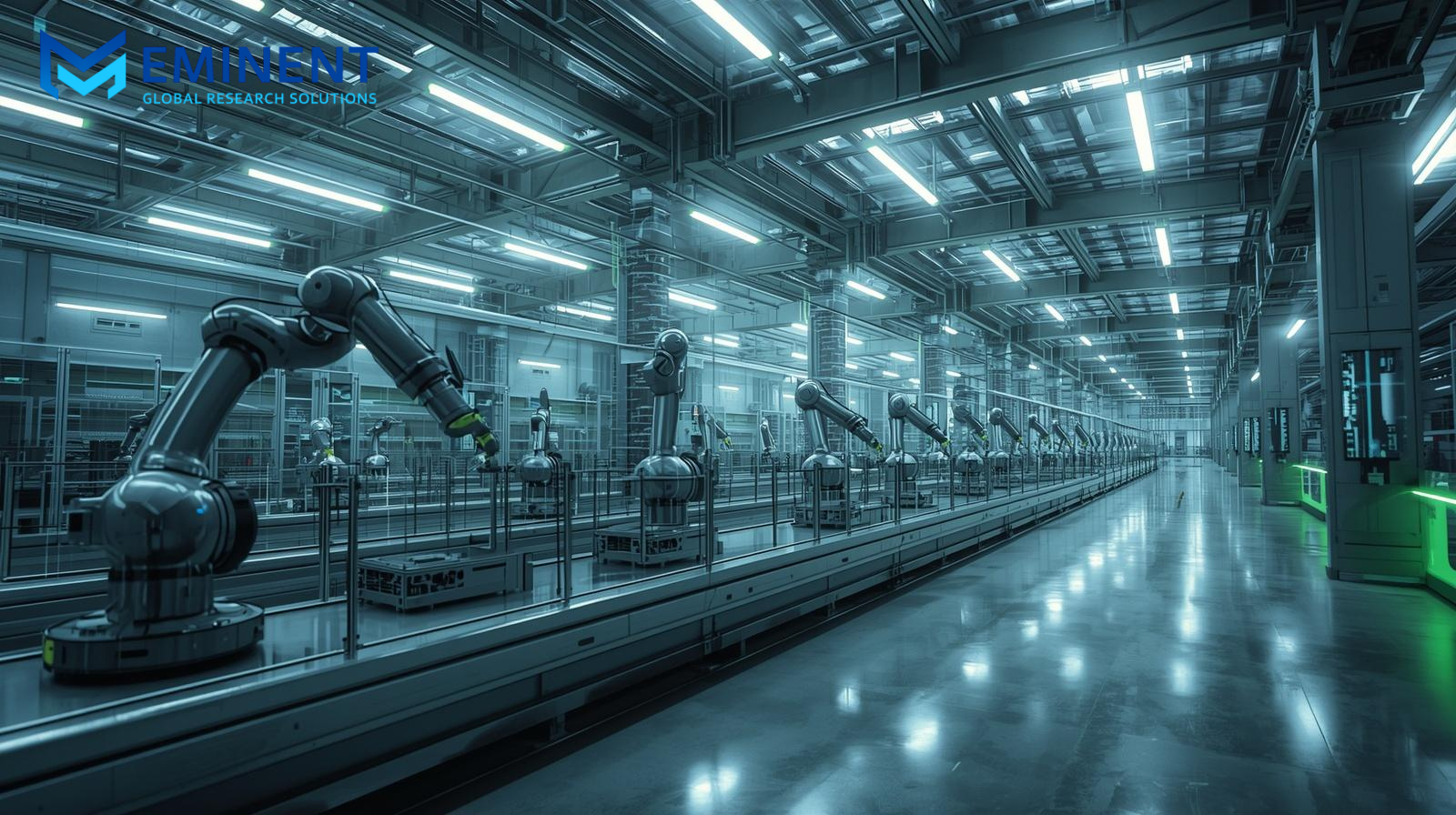
🌍 The New Mandate: Decarbonize Without Compromise
Manufacturers today are under intense pressure to reduce emissions while maintaining productivity and profitability. Regulatory expectations, ESG commitments, and rising energy costs are accelerating the shift toward low-carbon operations.
But here’s the shift in perspective:
👉 Robotics is no longer just about efficiency—it’s becoming a core enabler of sustainable manufacturing.
⚙️ How Robotics Drives Low-Carbon Transformation
1. Precision = Less Waste
Robotic systems operate with unmatched accuracy, reducing material waste, defects, and rework.
➡️ Less scrap = lower embedded carbon footprint per unit.
2. Energy Optimization in Real Time
Modern robots integrated with AI and IoT can dynamically adjust energy usage based on workload.
➡️ Smarter energy consumption = reduced emissions.
3. 24/7 Efficiency Without Energy Spikes
Unlike traditional operations, robots can maintain consistent output without inefficiencies caused by human fatigue or variability.
➡️ Stable processes = optimized energy usage curves.
4. Enabling Circular Manufacturing
Robotics plays a key role in sorting, recycling, and remanufacturing processes.
➡️ Supports circular economy models and resource reuse.
5. Digital Twins & Predictive Maintenance
Simulation and predictive analytics help avoid breakdowns and inefficiencies.
➡️ Fewer disruptions = lower energy waste and downtime emissions.
🏭 Industry Impact: From Compliance to Competitive Advantage
Forward-looking manufacturers are moving beyond compliance and using robotics to:
- Build carbon-transparent supply chains
- Achieve net-zero manufacturing goals
- Strengthen resilience against energy price volatility
- Differentiate through sustainable production capabilities
🚀 The Strategic Opportunity
The intersection of robotics, AI, and sustainability is unlocking a new industrial paradigm:
“Low-carbon manufacturing is no longer a cost burden—it’s a performance advantage powered by automation.”
Organizations that invest early in robotics-driven sustainability will not only reduce emissions but also gain long-term operational and competitive benefits.