

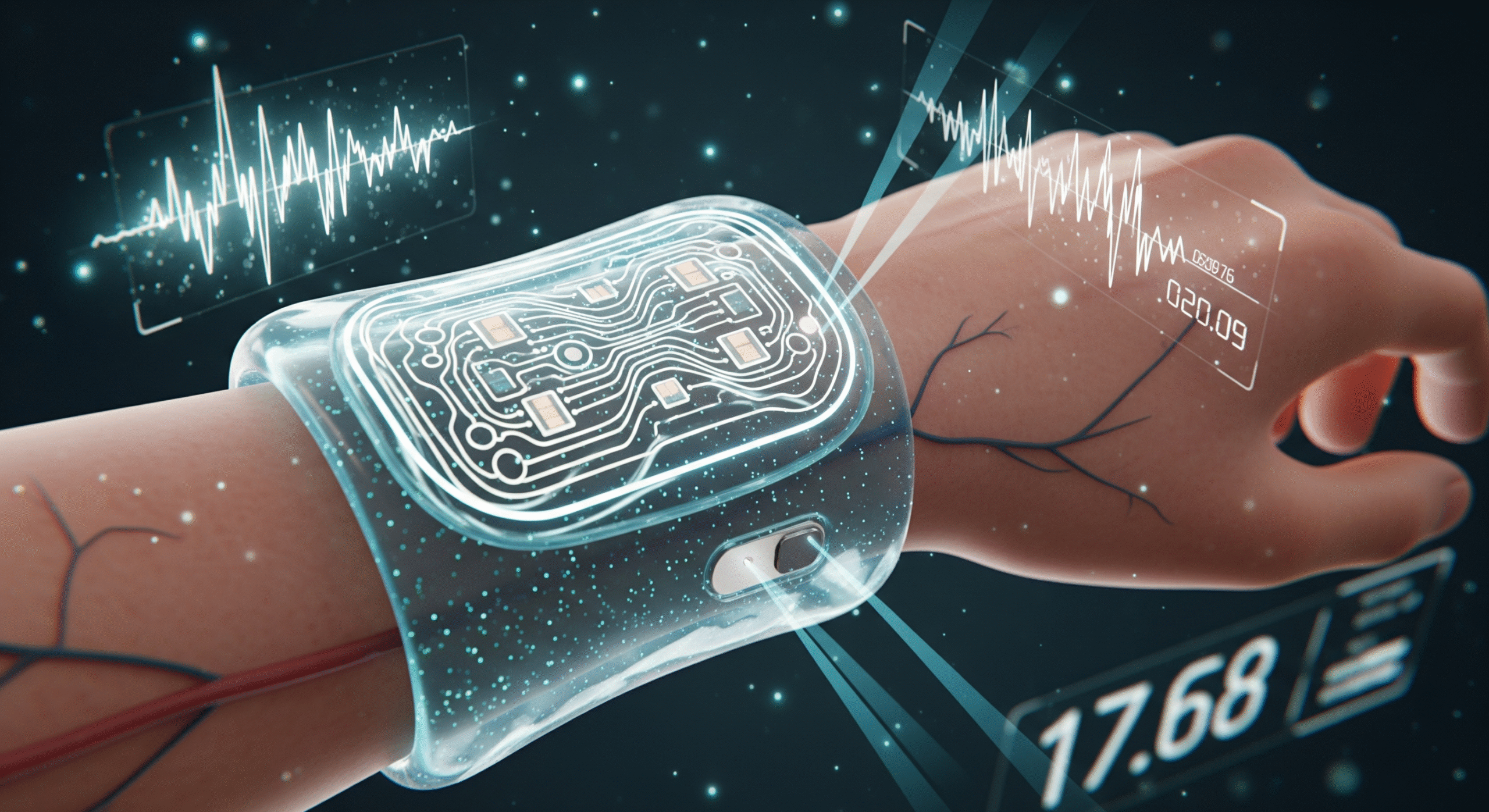
🧪 Latest Industry News on Hydrogel Semiconductors & Flexible Bioelectronics
1. Soft Hydrogel Semiconductors Reach Tissue-Like Performance
A research team recently unveiled a hydrogel semiconductor that matches the softness and stretchability of human tissue while maintaining strong electronic conductivity. The material shows high mobility and can stretch over 100%, making it ideal for next-generation biointerfaces and wearable sensors.
2. Rise of Hydrogel Transistors for 3D Soft Electronics
Scientists are reporting breakthroughs in “hydrogel transistors,” allowing electronics to be built from fully soft, water-rich materials. These could replace rigid silicon components in applications that require seamless integration with skin or organs.
3. Injectable & 3D-Printable Bioelectronic Hydrogels Developed
New injectable and printable hydrogel materials can reform into conductive structures once inside the body. Early tests show they can record neural-level electrical signals, paving the way for minimally invasive implants and smart therapeutic devices.
4. Multifunctional Hydrogels for Wearable Sensors
Materials scientists are engineering new biocompatible hydrogels that combine conductivity, stretchability, antimicrobial properties, and self-adhesion. These materials can detect signals like strain, temperature, pH, and various physiological biomarkers — ideal for smart patches and wearable diagnostics.
📈 Market & Industry Trends
5. Stretchable Hydrogel Electronics Market Set for Rapid Growth
Analysts project the global market for hydrogel-based stretchable electronics to grow more than fivefold over the next decade. Demand is driven by healthcare wearables, soft robotics, flexible consumer electronics, and implantable medical devices.
6. Surge in Wearable Biosensing Technologies
The shift toward personalized, continuous monitoring is accelerating research into hydrogel-based biosensors. These devices can non-invasively track biomarkers in sweat or interstitial fluid, enabling real-time health monitoring without traditional lab testing.
🔧 Promising Applications Emerging
Skin-like health patches for ECG, EMG, hydration, stress, or glucose tracking.
Injectable neural interfaces for monitoring brain or nerve activity with minimal surgery.
Smart bandages and wound-monitoring hydrogels that track healing parameters.
Soft robotic components using hydrogel semiconductors for flexible movement.
Biointegrated implants that conform to organs or tissues for long-term monitoring.
⚠️ Key Challenges Still Ahead
Improving long-term durability of hydrogels under sweat, stretching, and daily wear.
Achieving mass manufacturing of soft, water-rich electronic materials.
Ensuring biocompatibility and regulatory approval for implantable hydrogel devices.
Integrating multiple functions (sensing + adhesion + self-healing) into a single material.