

Introduction
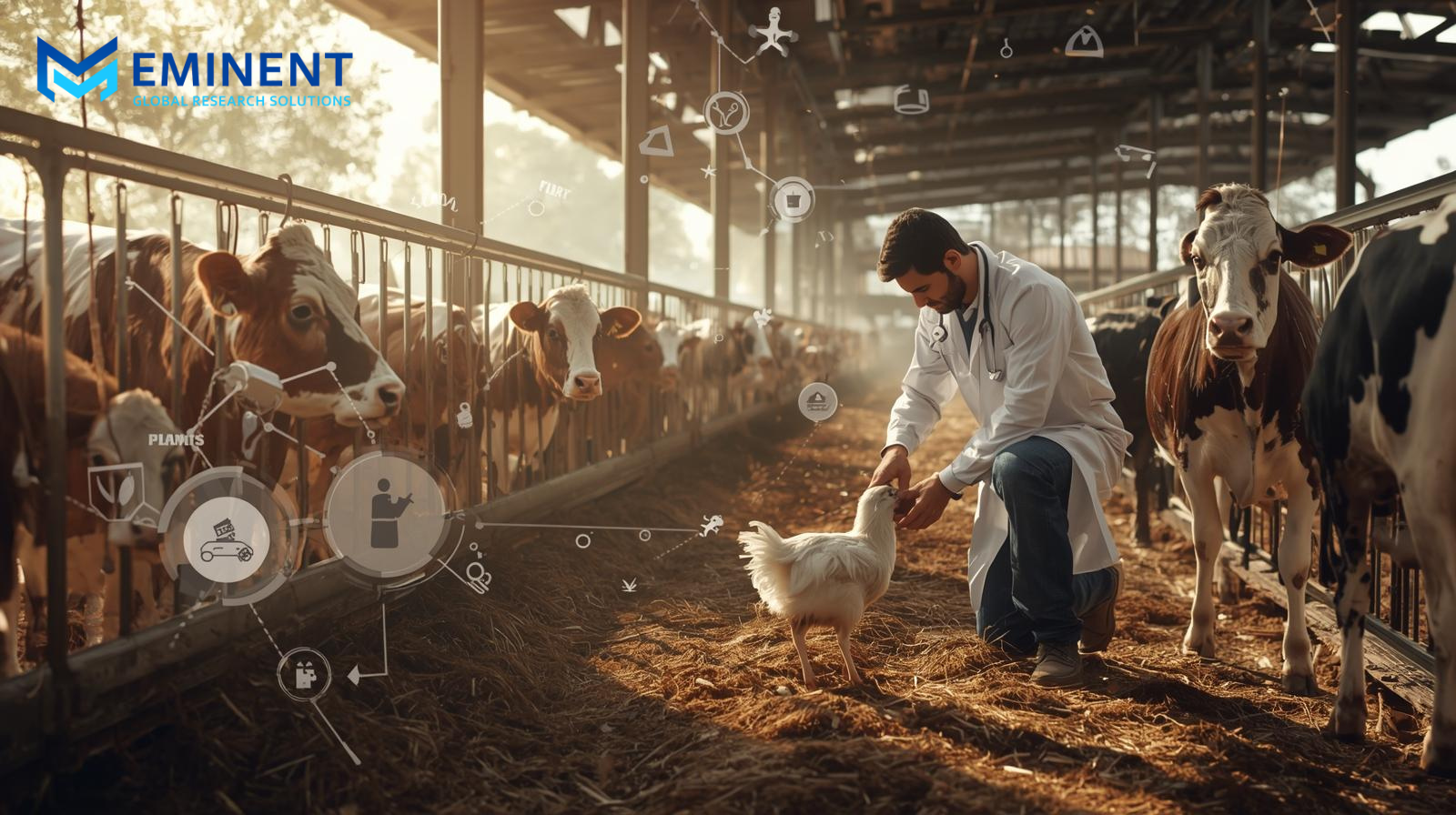
Antimicrobial resistance (AMR) is one of the most pressing global health challenges, with significant links to the overuse of antibiotics in livestock production. The U.S. Food and Drug Administration (FDA) has implemented a series of guidance documents aimed at regulating and reducing antimicrobial use in food-producing animals. These measures are transforming the livestock industry by promoting responsible antibiotic use, safeguarding public health, and encouraging innovation.
Understanding FDA Guidance on Antimicrobial Use
The FDA’s key initiatives—such as Guidance for Industry (GFI) #213 and #263—focus on:
Eliminating the use of medically important antibiotics for growth promotion
Requiring veterinary oversight for antibiotic use in animals
Transitioning over-the-counter antibiotics to prescription-only status
These policies are aligned with global efforts led by organizations like the World Health Organization to combat AMR.
Key Impacts on the Livestock Industry
1. Reduction in Antibiotic Use
FDA regulations have significantly decreased the use of medically important antibiotics in livestock. Farmers are now more cautious, using antibiotics only when necessary for disease treatment rather than routine growth enhancement.
Impact:
Lower risk of antibiotic-resistant bacteria entering the food chain
Improved long-term sustainability of livestock production
2. Shift Toward Veterinary Oversight
With mandatory veterinary prescriptions, farmers must now consult licensed veterinarians before administering antibiotics.
Impact:
More accurate diagnosis and targeted treatments
Reduced misuse and overuse of antimicrobials
3. Rise of Antibiotic-Free and Organic Farming
Consumer demand and regulatory pressure have accelerated the adoption of “antibiotic-free” livestock production systems.
Impact:
Growth in premium product markets
Increased trust among health-conscious consumers
Competitive differentiation for producers
4. Increased Operational Costs and Challenges
Compliance with FDA guidance requires:
Enhanced farm management practices
Better hygiene and biosecurity measures
Investment in veterinary services
Impact:
Higher short-term costs for farmers
Need for training and infrastructure upgrades
5. Innovation in Alternatives to Antibiotics
The restrictions have driven research into alternatives such as:
Probiotics and prebiotics
Vaccines
Phytogenic (plant-based) feed additives
Bacteriophage therapy
Impact:
Expansion of new markets in animal health technology
Opportunities for biotech and agri-innovation companies
Public Health and Food Safety Benefits
FDA guidance plays a critical role in reducing AMR transmission from animals to humans. Resistant bacteria can spread through:
Contaminated food products
Direct animal contact
Environmental pathways
By controlling antibiotic use, the FDA contributes to:
Safer food supply chains
Reduced healthcare burden from resistant infections
Better global AMR containment
Challenges and Limitations
Despite progress, several challenges remain:
Enforcement and compliance across all farming sectors
Limited access to veterinary services in rural areas
Balancing animal welfare with reduced antibiotic use
Global inconsistency in AMR regulations
Future Outlook
The FDA is expected to continue strengthening its regulatory framework by:
Expanding surveillance of antimicrobial use and resistance
Encouraging data transparency
Supporting innovation in non-antibiotic solutions
Collaborating with global regulatory bodies
The future of livestock production will likely focus on precision farming, improved animal health management, and sustainable practices.
Conclusion
The FDA’s guidance on antimicrobial use in livestock represents a major shift toward responsible farming and public health protection. While it introduces operational challenges, it also opens doors to innovation and long-term sustainability. As AMR continues to evolve, regulatory frameworks like those of the FDA will remain critical in ensuring a safe and resilient food system.