

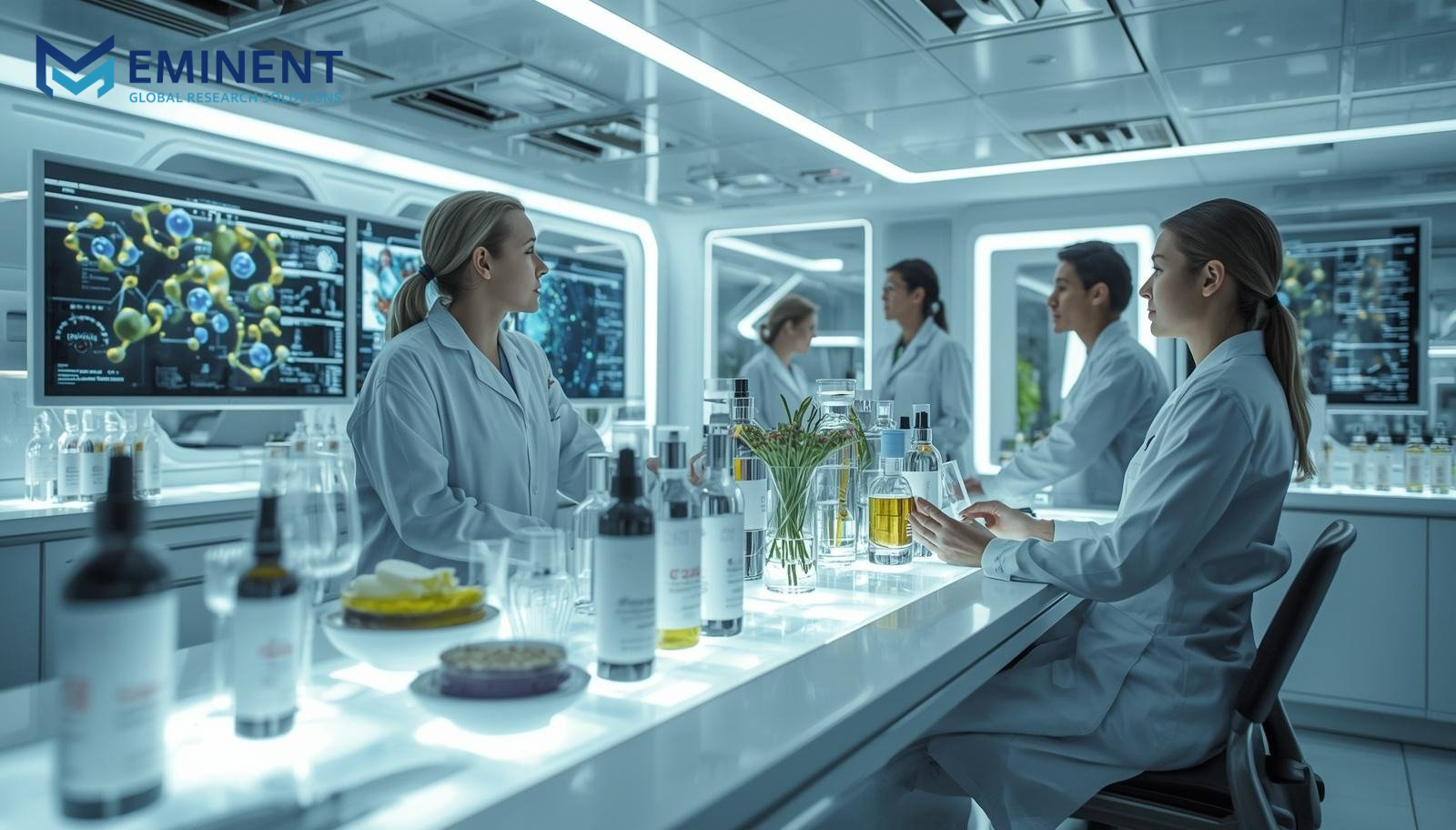
The global beauty and personal care industry continues to evolve at a rapid pace, driven by scientific innovation, shifting consumer expectations, and regulatory advancements. At in-cosmetics Global 2026, one of the most influential events for cosmetic ingredients and formulation science, several clear trends emerged that are set to shape the future of product development. For organizations like Eminent Global Research Solutions, these signals offer valuable direction for brands looking to stay competitive, compliant, and consumer-relevant.
This article explores the most impactful ingredient trends observed at the event and what they mean for the future of cosmetics.
1. Skinimalism 2.0: Multifunctional Ingredients Take Center Stage
The “less is more” philosophy continues to gain traction, but in 2026 it has evolved into a more sophisticated approach—Skinimalism 2.0. Consumers now expect fewer products with greater efficacy and multifunctionality.
Ingredient innovation is responding accordingly:
- Hybrid actives combining hydration, anti-aging, and barrier repair
- Multi-benefit botanical extracts with clinically proven outcomes
- Formulations that reduce layering complexity without compromising results
This trend is particularly relevant for brands targeting time-conscious consumers who demand performance-driven simplicity.
2. Biotech-Driven Ingredients: Precision Meets Sustainability
Biotechnology has moved from niche to mainstream. At the event, biotech-derived ingredients were among the most talked-about innovations.
Key highlights include:
- Fermented actives with enhanced bioavailability
- Lab-grown collagen alternatives addressing ethical and sustainability concerns
- Engineered peptides designed for targeted skin concerns
Biotech enables consistent quality, reduced environmental impact, and scalable production—making it a cornerstone of future ingredient development.
3. Microbiome-Friendly Formulations
The skin microbiome remains a critical area of research and product differentiation. In 2026, the focus has shifted from basic “probiotic” claims to precision microbiome care.
Emerging ingredient categories:
- Prebiotics that selectively nourish beneficial bacteria
- Postbiotics with anti-inflammatory and barrier-strengthening properties
- Microbiome-balancing complexes tailored to different skin types
This trend reflects a deeper scientific understanding of skin health, moving beyond marketing buzzwords into measurable efficacy.
4. Neurocosmetics: Bridging Skin and Mind
One of the most exciting frontiers showcased at the event was neurocosmetics—ingredients that interact with the skin’s nervous system to influence mood and sensory perception.
Examples include:
- Actives that reduce stress-induced inflammation
- Ingredients designed to stimulate “feel-good” responses
- Aromachology-based compounds enhancing emotional well-being
As consumers increasingly seek holistic wellness, neurocosmetics represent a powerful intersection of skincare and mental health.
5. Climate-Adaptive Skincare Ingredients
With environmental stressors intensifying globally, climate-adaptive skincare is becoming essential. Ingredients are now being developed to help skin respond dynamically to changing conditions.
Key innovations:
- Anti-pollution actives targeting urban exposure
- Blue light protection ingredients for digital lifestyles
- Humidity-responsive hydration systems
This trend is especially relevant in regions experiencing extreme weather variations, making it a global priority for formulation strategies.
6. Upcycled and Circular Ingredients
Sustainability continues to dominate, but the focus has shifted toward circular beauty—maximizing resource efficiency through upcycling.
Notable developments:
- Extracts derived from food waste (e.g., fruit peels, coffee grounds)
- Reclaimed marine ingredients
- Zero-waste extraction processes
Consumers are increasingly scrutinizing ingredient sourcing, making transparency and environmental responsibility non-negotiable.
7. Inclusive and Personalized Ingredient Solutions
Personalization is no longer limited to marketing—it is now embedded at the ingredient level. Brands are seeking solutions that cater to diverse skin tones, types, and conditions.
Trends include:
- Actives tested across varied demographics
- Ingredients addressing hyperpigmentation in melanin-rich skin
- Customizable formulation bases
Inclusivity is becoming a scientific requirement rather than a branding choice.
8. Regulatory-Ready Ingredients
With tightening global regulations, ingredient compliance is a key concern. At the event, suppliers emphasized regulatory-ready solutions that simplify market entry.
Key aspects:
- Pre-tested safety profiles aligned with global standards
- Transparent documentation for faster approvals
- Alternatives to restricted or controversial ingredients
For companies operating across multiple markets, this trend reduces risk and accelerates product launches.
Strategic Implications for Brands
The trends highlighted at in-cosmetics Global 2026 point toward a future where science, sustainability, and consumer-centric innovation converge. For businesses, this means:
- Investing in R&D for multifunctional and biotech ingredients
- Prioritizing transparency and traceability
- Aligning product development with wellness and environmental narratives
- Ensuring regulatory compliance from the early stages
Organizations like Eminent Global Research Solutions can play a pivotal role in helping brands navigate these shifts through market intelligence, competitive benchmarking, and innovation strategy.
Conclusion
The ingredient landscape in 2026 is defined by precision, responsibility, and adaptability. From biotech breakthroughs to climate-responsive formulations, the industry is moving toward smarter, more sustainable solutions that meet evolving consumer demands.
Brands that embrace these trends early will not only gain a competitive edge but also build stronger trust with increasingly informed consumers.