

The U.S. Food and Drug Administration’s recent updates to its web portal and informational resources designed to help cosmetic facilities prepare for biennial registration renewal may appear administrative on the surface. However, the development reflects a much larger transformation taking place across the global beauty and personal care industry.
As regulatory requirements become more structured and transparent, cosmetic manufacturers are operating in an environment where compliance, traceability, ingredient transparency, and scientific validation are becoming increasingly important competitive differentiators.
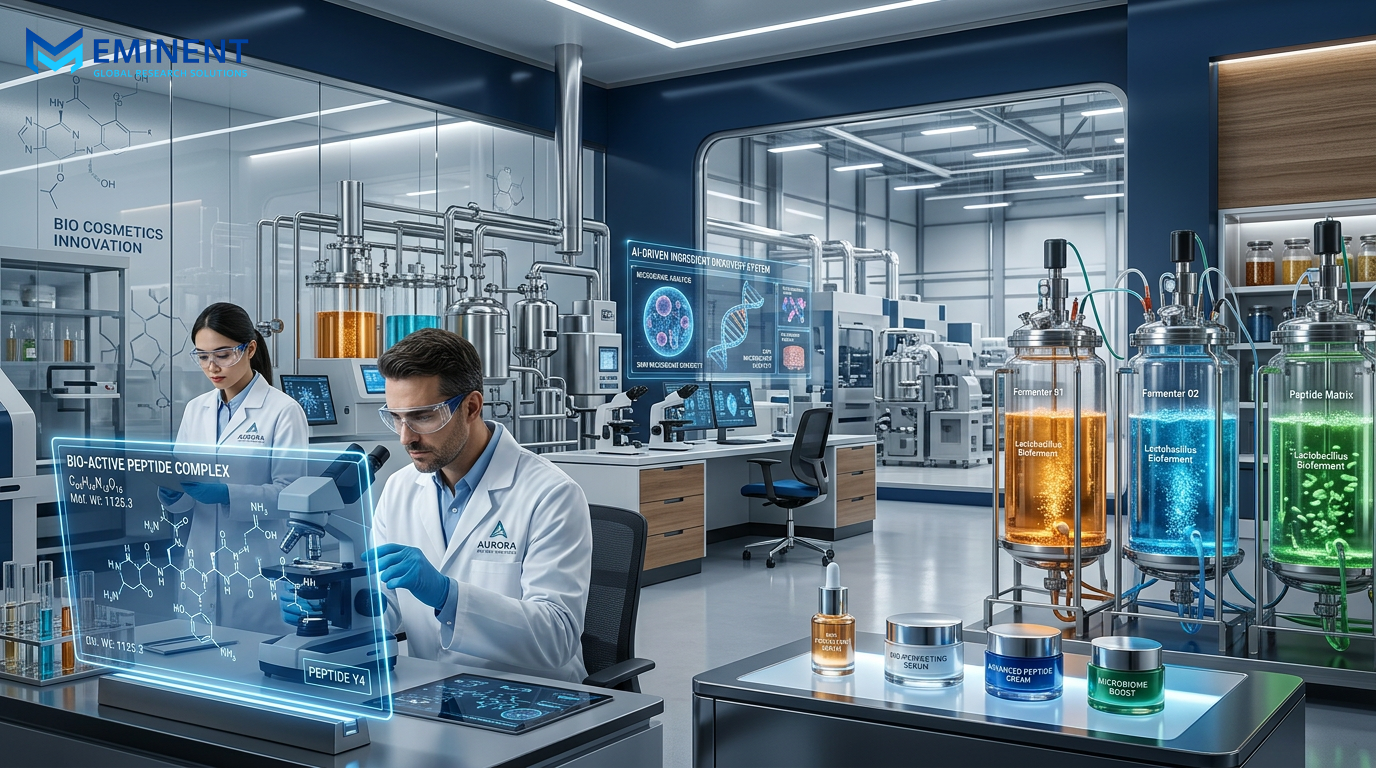
At the same time, the cosmetics sector is witnessing growing convergence with biotechnology, food science, and industrial fermentation industries. This shift is creating new opportunities for ingredient innovation, sustainable manufacturing, and science-backed product development.
For companies operating in the B2B beauty ingredients market, regulatory readiness is no longer simply a compliance exercise. It is becoming a strategic capability that supports innovation, market access, and long-term competitive positioning.
Organizations that successfully combine advanced biotechnology platforms, cross-industry expertise, and strong regulatory frameworks may emerge as leaders in the next generation of cosmetic innovation.
The Growing Regulatory Evolution of the Cosmetics Industry
Historically, cosmetics have operated under a lighter regulatory framework compared to pharmaceuticals and medical devices. However, increasing consumer demand for transparency, product safety, and scientifically supported claims has prompted regulators worldwide to strengthen oversight.
The FDA’s enhanced registration support resources reflect a broader trend toward greater accountability within the beauty sector.
Modern cosmetic manufacturers are increasingly expected to demonstrate:
- Product safety documentation
- Manufacturing quality controls
- Ingredient traceability
- Adverse event monitoring
- Regulatory compliance readiness
- Accurate product labeling
As regulatory expectations evolve, companies must develop more sophisticated compliance infrastructures capable of supporting both domestic and international market requirements.
This shift is particularly important for ingredient suppliers and contract manufacturers serving global beauty brands.
Organizations that proactively invest in regulatory excellence may accelerate market access, reduce compliance risks, and strengthen customer confidence.
The Rise of Biotechnology in Beauty
One of the most significant developments reshaping the cosmetics industry is the growing influence of biotechnology.
Traditional cosmetic ingredient development often relied on botanical extracts, synthetic chemistry, and naturally sourced materials. While these approaches remain important, biotechnology is enabling entirely new categories of ingredients with enhanced functionality, sustainability, and scientific credibility.
Advances in biotechnology now support the development of:
- Precision-fermented cosmetic ingredients
- Bioengineered active compounds
- Microbiome-friendly formulations
- Sustainable proteins and peptides
- Novel anti-aging molecules
- Functional skin health ingredients
These innovations allow companies to create highly differentiated products while addressing increasing consumer demand for efficacy and sustainability.
As biotechnology capabilities mature, the boundaries between healthcare, food science, and beauty continue to blur.
The result is an increasingly interconnected innovation ecosystem where expertise from multiple industries contributes to next-generation cosmetic solutions.
Fermentation Platforms Are Creating New Opportunities
Industrial fermentation has emerged as one of the most promising technologies driving ingredient innovation across multiple sectors.
Originally developed for pharmaceutical manufacturing and food production, fermentation technologies are now being applied to cosmetic ingredient development at an accelerating pace.
Advanced fermentation platforms can produce:
- Bioactive peptides
- Functional proteins
- Hyaluronic acid
- Collagen alternatives
- Skin microbiome ingredients
- Sustainable specialty compounds
Compared to traditional sourcing methods, fermentation-based production often offers:
- Greater consistency
- Improved scalability
- Reduced environmental impact
- Enhanced purity
- Stronger supply chain resilience
These advantages are becoming increasingly important as beauty brands seek reliable access to high-performance ingredients that support both sustainability and efficacy claims.
Companies capable of leveraging industrial biotechnology infrastructure may gain significant advantages in the rapidly evolving beauty ingredients market.
Cross-Industry Convergence Is Accelerating Innovation
The cosmetics industry is no longer operating in isolation.
Today, some of the most innovative developments in beauty are emerging from collaborations and technology transfers involving biotechnology firms, food technology companies, healthcare organizations, and life sciences innovators.
This convergence is creating opportunities to apply expertise from one industry to solve challenges in another.
Examples include:
- Food fermentation technologies adapted for cosmetic ingredients
- Pharmaceutical delivery systems applied to skincare
- Microbiome research influencing beauty formulations
- Nutritional science supporting skin wellness products
- AI-driven biotechnology accelerating ingredient discovery
As industry boundaries become increasingly fluid, organizations with multidisciplinary capabilities may be better positioned to identify emerging opportunities and develop differentiated solutions.
Companies that embrace cross-sector collaboration can often accelerate innovation while reducing development timelines and research costs.
Science-Backed Ingredients Are Becoming a Market Requirement
Consumer behavior is evolving rapidly.
Today’s beauty consumers increasingly seek products supported by scientific evidence rather than marketing claims alone. Social media, digital health platforms, and growing awareness of ingredient functionality have created a more informed customer base.
This shift is driving demand for:
- Clinically validated ingredients
- Transparent efficacy data
- Scientific research support
- Biotechnology-enabled formulations
- Evidence-based product claims
As a result, ingredient suppliers are facing increasing pressure to demonstrate measurable performance outcomes.
Science-backed positioning is becoming particularly important in premium skincare, skin health, anti-aging, and wellness-oriented beauty categories.
Companies that invest in research partnerships, clinical studies, and advanced biotechnology platforms may strengthen their credibility while commanding higher value within the market.
Regulatory Readiness as a Competitive Advantage
The FDA’s efforts to improve registration preparedness highlight an important reality: regulatory compliance is becoming a strategic asset rather than a regulatory burden.
As product development becomes more science-driven and globally interconnected, regulatory readiness supports:
- Faster market entry
- Improved customer trust
- Reduced compliance risk
- Stronger brand reputation
- Better partnership opportunities
- Enhanced operational efficiency
For ingredient manufacturers and beauty brands alike, the ability to navigate increasingly complex regulatory environments can create meaningful competitive differentiation.
Organizations that integrate compliance into their innovation strategy may be better positioned to scale internationally while supporting long-term growth objectives.
The Future of the B2B Beauty Ingredients Market
The beauty industry is entering a period of profound transformation driven by biotechnology, regulatory modernization, sustainability demands, and consumer expectations for scientific credibility.
The convergence of food science, industrial biotechnology, healthcare, and cosmetics is creating an entirely new innovation landscape.
Future market leaders will likely be companies that successfully combine:
- Advanced fermentation technologies
- Biotechnology expertise
- Regulatory excellence
- Sustainable manufacturing capabilities
- Science-backed ingredient portfolios
- Cross-industry innovation strategies
For ingredient suppliers, beauty manufacturers, investors, and consulting organizations, the message is clear: the future of beauty innovation will be increasingly driven by scientific sophistication and interdisciplinary collaboration.
As regulatory frameworks evolve and biotechnology capabilities expand, organizations that invest early in these strategic capabilities may secure lasting advantages in the rapidly growing global beauty ingredients market.