

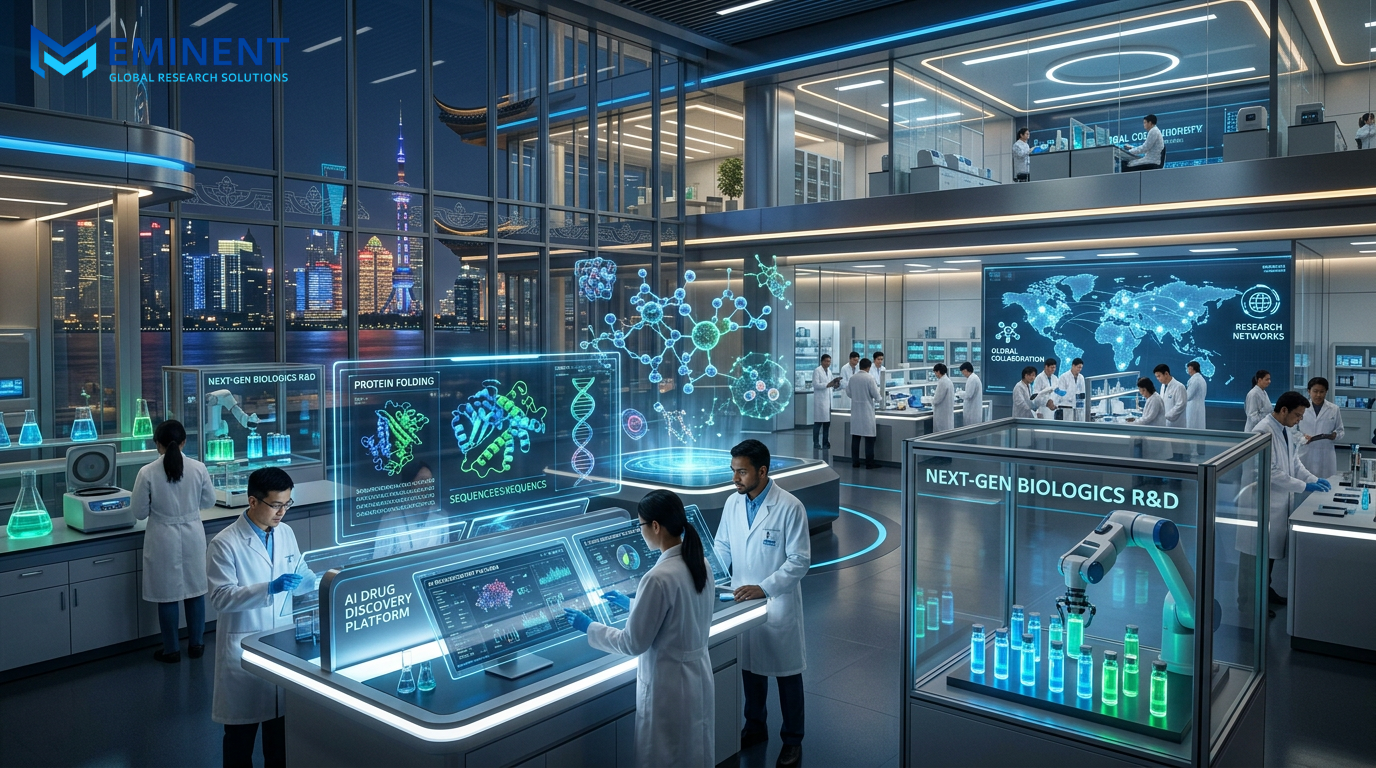
The establishment of a new R&D center in China by Samsung Epis Holdings reflects a broader strategic trend reshaping the global biopharmaceutical industry. As competition intensifies across biosimilars, biologics, and advanced therapeutics, leading healthcare companies are increasingly expanding their research footprints into key innovation hubs to accelerate product development, access specialized talent, and strengthen regional market presence.
China has emerged as one of the world’s most important life sciences ecosystems, supported by significant investments in biotechnology, a rapidly expanding healthcare market, growing scientific talent pools, and increasingly sophisticated research infrastructure. For multinational pharmaceutical and biotechnology companies, establishing local R&D capabilities is becoming a strategic necessity rather than simply a geographic expansion decision.
From a consulting perspective, this development highlights how regional innovation ecosystems are becoming critical competitive assets. Companies that successfully combine global R&D capabilities with localized research, regulatory expertise, and strategic partnerships may be better positioned to accelerate innovation and capture growth opportunities in emerging healthcare markets.
China’s Growing Importance in Global Biopharmaceutical Innovation
Over the past decade, China has transformed from a manufacturing-driven healthcare market into a significant center for pharmaceutical innovation.
Several factors have contributed to this evolution:
- Strong government support for biotechnology innovation
- Expansion of life sciences research infrastructure
- Increased healthcare spending
- Large patient populations supporting clinical research
- Growing biotechnology startup ecosystem
- Significant investments in AI and digital health technologies
Today, China is increasingly viewed as a strategic innovation market where research, development, and commercialization activities can occur simultaneously.
For multinational healthcare companies, proximity to these innovation ecosystems offers opportunities to accelerate product pipelines, access emerging technologies, and strengthen regional competitiveness.
The decision to establish new R&D facilities reflects growing recognition that future healthcare innovation will be increasingly global rather than concentrated within a few traditional markets.
Why Localized R&D Matters
Historically, many global pharmaceutical organizations centralized research activities within North America, Europe, or select international hubs.
However, the complexity of modern drug development is driving a shift toward distributed innovation models.
Localized R&D centers provide several strategic advantages:
Faster Innovation Cycles
Being closer to local scientific communities enables organizations to identify emerging research opportunities, collaborate with academic institutions, and accelerate technology transfer initiatives.
Access to Specialized Talent
China continues to produce large numbers of highly skilled researchers, data scientists, biotechnology specialists, and healthcare professionals.
Local R&D investments allow organizations to tap into these talent pools while strengthening innovation capabilities.
Better Understanding of Regional Healthcare Needs
Healthcare markets differ significantly in disease prevalence, treatment patterns, regulatory requirements, and patient demographics.
Localized research helps organizations develop solutions that better address regional market demands.
Enhanced Collaboration Opportunities
Partnerships with universities, hospitals, biotechnology startups, and research institutes are often more effective when supported by a local presence.
These collaborations can accelerate scientific discovery while improving commercialization outcomes.
The Competitive Race in Biosimilars and Biologics
Samsung Epis Holdings has built its reputation within the biosimilars sector, one of the fastest-growing segments of the global pharmaceutical industry.
As healthcare systems seek cost-effective alternatives to high-priced biologic therapies, biosimilars are becoming increasingly important in improving patient access while reducing healthcare expenditures.
The biosimilar market continues to expand due to:
- Patent expirations of major biologic drugs
- Growing healthcare cost pressures
- Increased regulatory support
- Expanding physician confidence
- Rising demand for affordable treatment options
However, competition is intensifying.
Companies are no longer competing solely on manufacturing efficiency or pricing. Success increasingly depends on:
- Strong R&D capabilities
- Regulatory expertise
- Market access strategies
- Clinical development excellence
- Global commercialization infrastructure
Investments in research centers can strengthen innovation pipelines while supporting next-generation biologics and biosimilar development programs.
China as a Strategic Hub for Healthcare Innovation
China’s healthcare market is expected to remain one of the largest growth drivers for the global pharmaceutical sector over the next decade.
The country offers several strategic advantages:
Large Patient Populations
The scale of China’s healthcare system provides opportunities for clinical research, real-world evidence generation, and disease-specific studies.
Rapid Adoption of Digital Health
China has become a leader in healthcare digitization, AI applications, and data-driven medical innovation.
These capabilities increasingly support pharmaceutical research and development activities.
Growing Biotechnology Ecosystem
The number of biotechnology startups, research collaborations, and venture capital investments continues to grow.
This creates a vibrant innovation environment that attracts global healthcare organizations.
Regulatory Evolution
China’s healthcare regulatory framework has undergone significant modernization in recent years, improving efficiency and supporting innovation-driven development.
These factors make China an attractive destination for multinational organizations seeking to expand their research capabilities.
Talent as a Strategic Asset
One of the most important reasons companies establish regional R&D centers is access to talent.
The life sciences industry faces increasing competition for:
- Molecular biologists
- Clinical researchers
- Data scientists
- AI specialists
- Regulatory experts
- Bioprocess engineers
China’s growing pool of scientific and technical professionals offers organizations opportunities to strengthen innovation capacity while diversifying global research teams.
In many cases, talent acquisition has become just as important as technology acquisition in determining long-term competitive success.
Organizations that successfully attract, retain, and develop scientific talent may gain sustainable advantages in research productivity and innovation output.
Implications for the Future of Global R&D
The establishment of new R&D facilities reflects a broader transformation in how pharmaceutical innovation is organized globally.
Future healthcare innovation is likely to be characterized by:
- Distributed research networks
- Global scientific collaboration
- Regional innovation hubs
- AI-enabled drug discovery
- Cross-border partnerships
- Data-driven development models
Rather than relying on centralized research operations, leading companies are building interconnected innovation ecosystems capable of leveraging expertise from multiple geographic regions.
This approach improves agility, enhances market responsiveness, and supports faster product development.
Strategic Outlook
Samsung Epis Holdings’ investment in a new R&D center highlights a larger industry trend where geographic expansion and innovation strategy are becoming increasingly interconnected.
As healthcare markets evolve and competition intensifies, companies will need more than strong products to maintain leadership positions.
Success will increasingly depend on the ability to:
- Access global talent pools
- Build regional innovation capabilities
- Develop strategic partnerships
- Accelerate R&D productivity
- Navigate complex regulatory environments
- Align innovation with local market needs
For pharmaceutical and biotechnology companies, regional R&D centers are becoming strategic growth platforms that support both scientific advancement and commercial expansion.
Organizations that effectively combine global expertise with localized innovation may be best positioned to lead the next phase of growth in the rapidly evolving biopharmaceutical industry.