
Is Rising Energy Inflation Threatening Business Growth?
Published: 5 November 2026
Introduction
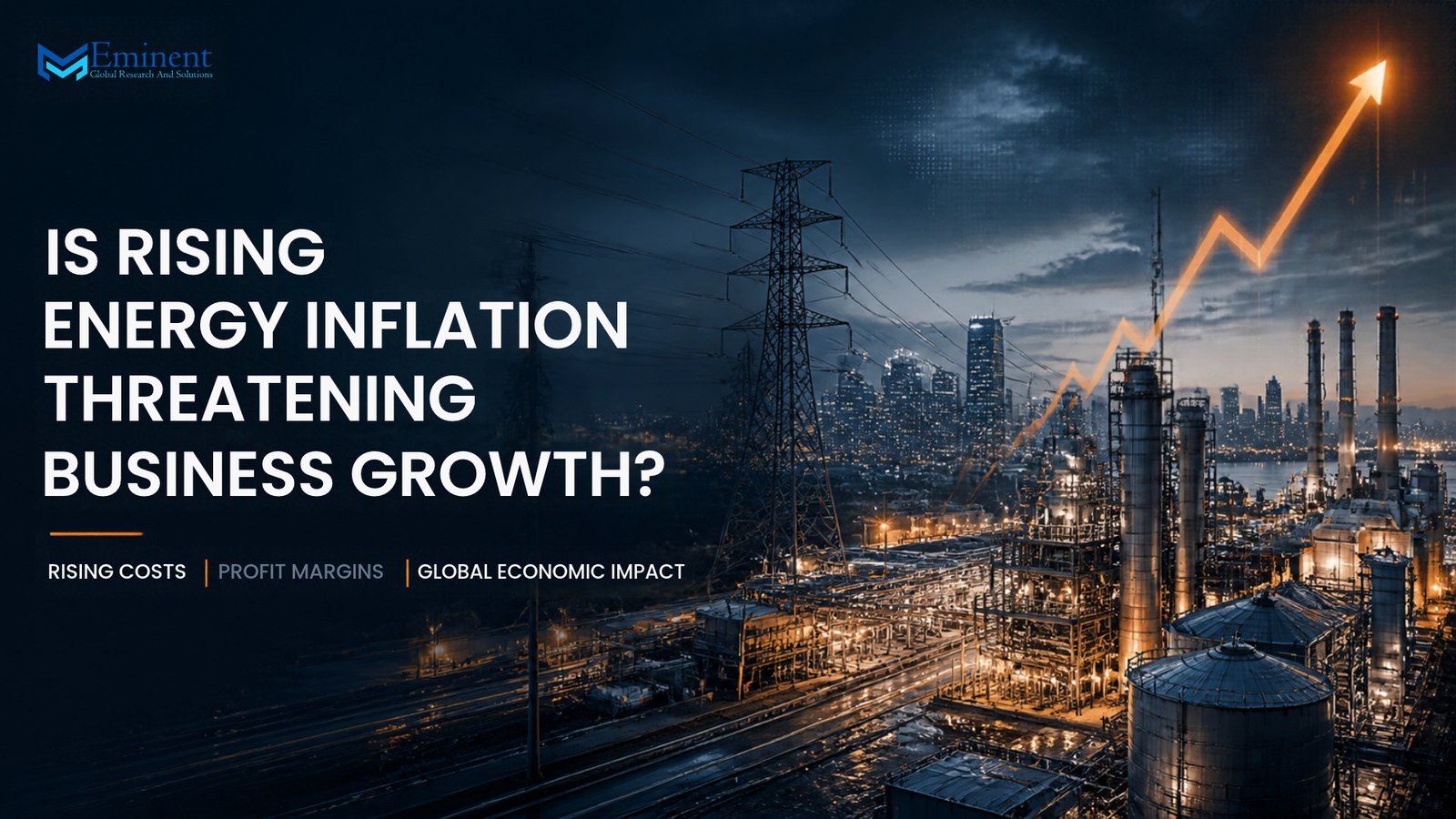
Rising energy prices are becoming a growing concern for businesses across the global economy. From manufacturing plants and logistics companies to retailers and technology providers, organisations depend on affordable and reliable energy to maintain daily operations. When electricity, natural gas and fuel prices increase, operating expenses rise, putting pressure on profit margins and business investment.
Recent economic developments show how energy inflation can influence wider business conditions. On 5 November 2026, the Bank of England increased its interest rate to 4%, warning that sustained higher energy prices could push UK inflation towards 5% by the middle of 2027. Meanwhile, manufacturing activity across several economies has continued to expand, but rising input costs are putting additional pressure on businesses.
The key question is whether companies can maintain growth while managing an increasingly expensive energy environment.
Why Are Energy Costs Rising?
Energy prices can increase for several reasons, including geopolitical tensions, disruptions to supply routes, limited production capacity and changes in global demand.
Conflicts affecting major energy-producing regions can create uncertainty around oil and gas supplies. Disruptions to shipping routes and energy infrastructure may also increase transportation and procurement costs.
Seasonal demand, currency movements and changes in government energy policies can add further pressure. For businesses that rely heavily on imported fuel or energy-intensive production, these changes can make long-term cost planning more difficult.
How Is Energy Inflation Affecting Businesses?
1. Higher Operating Costs
Manufacturing, construction, chemicals, metals and food processing businesses require substantial amounts of electricity and fuel. Rising energy prices increase the cost of production, storage and distribution.
Smaller companies may face greater difficulties because they often have less negotiating power and fewer resources to absorb unexpected cost increases.
2. Pressure on Profit Margins
Businesses cannot always transfer higher costs directly to customers. Strong competition and price-sensitive consumers may limit their ability to increase product prices.
As a result, companies may have to accept lower profit margins, reduce discretionary spending or improve operational efficiency to remain competitive.
3. Supply Chain and Logistics Challenges
Higher fuel prices can increase transportation, warehousing and delivery expenses. These costs can affect domestic distribution as well as international trade.
Companies operating across multiple countries may also face uncertainty when energy prices and shipping costs change at different rates across markets.
4. Slower Investment and Expansion
When operating expenses rise, businesses may reconsider plans to establish new facilities, purchase equipment or expand into new markets.
Higher inflation can also encourage central banks to maintain or increase interest rates. More expensive borrowing can make expansion projects less attractive, particularly for companies that depend on external financing.
Which Industries Are Most Exposed?
Manufacturing and Industrial: Factories with energy-intensive production processes may face higher operating costs and increased pressure to improve efficiency.
Transportation and Logistics: Airlines, shipping companies, road transport operators and delivery businesses are exposed to changes in fuel prices.
Food and Agriculture: Farming, refrigeration, food processing and distribution depend on energy, making the sector vulnerable to higher fuel and electricity costs.
Chemicals and Pharmaceuticals: Energy is important for industrial processing, temperature-controlled storage and manufacturing operations.
Retail and Commercial Real Estate: Stores, offices and shopping centres may experience higher electricity, heating, cooling and maintenance expenses.
What Does This Mean for the Global Economy?
The impact of energy inflation extends beyond individual companies. When businesses face higher production and transportation costs, they may increase prices, reduce investment or slow recruitment.
Recent manufacturing surveys reported that industrial activity remained in expansion territory across several major economies in October 2026. However, rising energy costs and supply disruptions were already putting pressure on input prices and business margins.
For emerging economies, higher imported energy costs can also increase pressure on trade balances, domestic prices and currency stability. The overall impact will depend on each country’s energy mix, import dependence and policy response.
How Can Businesses Protect Their Growth?
Companies can take practical steps to reduce their exposure to energy price volatility.
1. Improve Energy Efficiency: Modern equipment, efficient lighting, automated energy monitoring and improved production processes can reduce unnecessary consumption.
2. Diversify Energy Sources: Businesses can explore solar power, wind energy, battery storage and other suitable alternatives to reduce dependence on a single energy source.
3. Strengthen Supply Chain Planning: Reviewing supplier contracts, transport routes and inventory strategies can help companies prepare for unexpected cost increases.
4. Use Data-Driven Cost Management: Energy monitoring systems and predictive analytics can help organisations identify consumption patterns, forecast expenses and improve resource allocation.
5. Review Pricing and Financial Strategies: Regular cost assessments, flexible pricing models and careful investment planning can help businesses protect margins without losing competitiveness.
Eminent’s Perspective
Rising energy inflation is not simply an operational challenge; it is becoming an important factor in business strategy and long-term competitiveness.
Companies that understand their energy exposure, monitor market developments and invest in operational efficiency may be better positioned to manage cost volatility. At the same time, the transition towards renewable energy and smarter resource management is creating opportunities for innovation and investment.
For business leaders, the priority should be to balance immediate cost control with long-term resilience. Decisions around energy procurement, technology adoption and supply chain diversification can influence how effectively an organisation responds to future market disruptions.
Conclusion
Rising energy inflation can threaten business growth by increasing operating expenses, reducing profit margins and making investment decisions more difficult. However, its impact will not be equal across industries or regions.
Businesses that invest in energy efficiency, diversify their energy sources and strengthen financial and supply chain planning can improve their ability to withstand market uncertainty.
As global energy markets remain sensitive to geopolitical and economic developments, managing energy costs will become an increasingly important part of sustainable business growth.
Post a Comment