

Introduction
Decarbonization has moved beyond policy ambition and sustainability pledges—it is now a defining force shaping global competitiveness, capital allocation, and innovation strategies. In 2026, organizations are no longer asking whether to decarbonize, but how fast they can transition while maintaining profitability and resilience. Governments, investors, and consumers are aligning around one expectation: measurable, transparent emissions reduction.
For businesses, this shift presents both disruption and opportunity. Companies that embed decarbonization into their core strategy are unlocking new revenue streams, operational efficiencies, and long-term value.
The New Drivers of Decarbonization
1. Regulatory Acceleration
Carbon pricing mechanisms, emissions disclosure mandates, and cross-border adjustment taxes are tightening globally. Markets in Europe and Asia are leading with stricter compliance frameworks, pushing companies to rethink supply chains and production models.
2. Investor Pressure & ESG Integration
Institutional investors are increasingly linking capital access to environmental performance. ESG metrics are now embedded into valuation models, making decarbonization a financial imperative rather than a reputational choice.
3. Technology Maturity
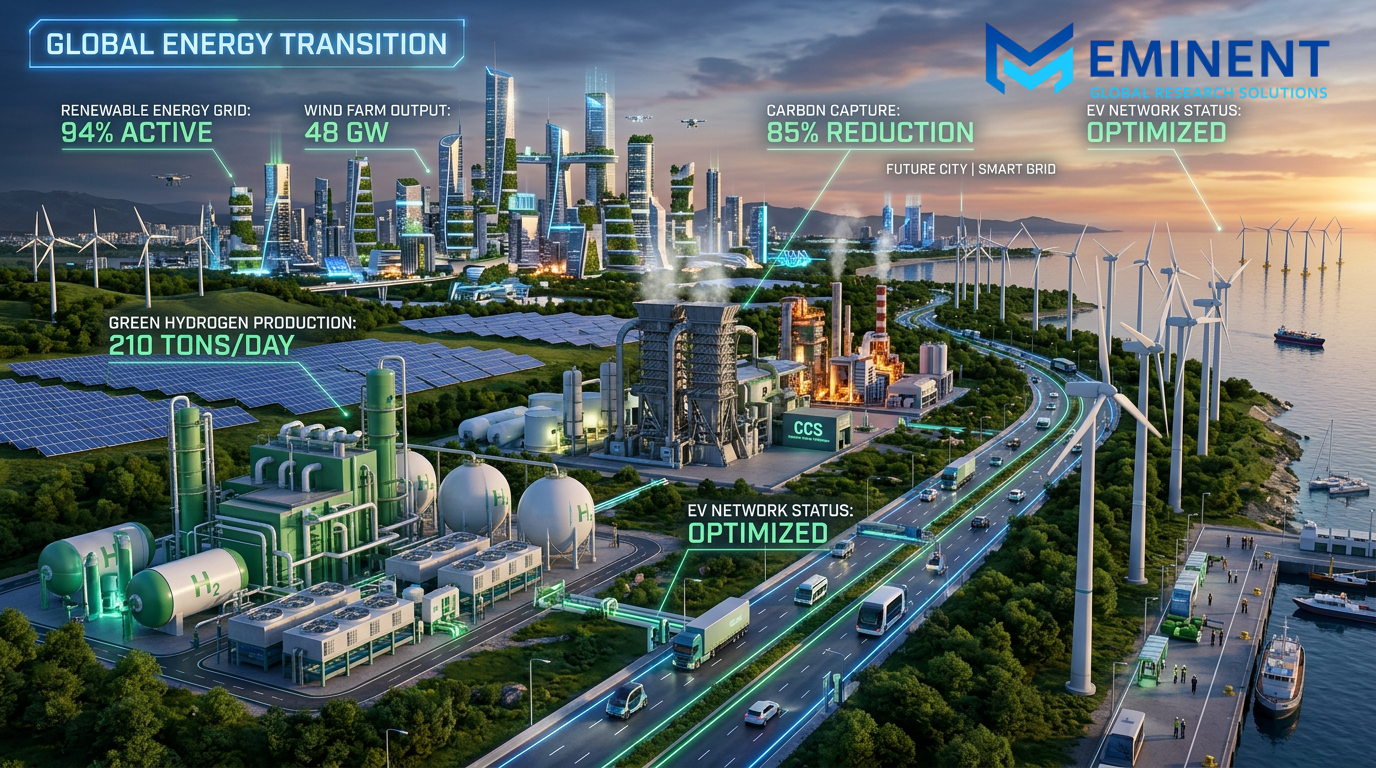
Breakthroughs in renewable energy, battery storage, hydrogen fuel, and carbon capture are making large-scale decarbonization more viable. Costs are declining, while scalability is improving across industries.
4. Consumer & Market Expectations
End-users are demanding low-carbon products and transparency. Brands that fail to adapt risk losing market share to more sustainable competitors.
Key Decarbonization Pathways
Energy Transition
Organizations are rapidly shifting toward renewable energy sources such as solar, wind, and green power purchase agreements (PPAs). On-site generation and energy storage solutions are gaining traction.
Electrification of Operations
Industries are replacing fossil fuel-based systems with electric alternatives—ranging from manufacturing processes to transportation fleets.
Green Hydrogen Economy
Hydrogen is emerging as a critical solution for hard-to-abate sectors such as steel, cement, and chemicals, offering a cleaner alternative to traditional fuels.
Carbon Capture, Utilization, and Storage (CCUS)
CCUS technologies are being deployed to mitigate emissions where elimination is not yet feasible, particularly in heavy industries.
Circular Economy Integration
Reducing waste, increasing material efficiency, and recycling are becoming central to decarbonization strategies.
Sector-Wise Transformation
Energy & Utilities
The sector is at the forefront, with rapid renewable integration, grid modernization, and decentralized energy systems.
Automotive & Mobility
The transition to electric vehicles (EVs) is accelerating, supported by expanding charging infrastructure and policy incentives.
Manufacturing & Heavy Industry
Companies are adopting energy-efficient processes, hydrogen-based production, and CCUS to reduce emissions intensity.
Technology & Data Centers
With rising energy demand, tech firms are investing in green data centers powered by renewable energy and advanced cooling technologies.
Challenges Slowing Progress
Despite momentum, several barriers persist:
- High initial investment costs for clean technologies
- Infrastructure gaps, especially in emerging economies
- Supply chain dependencies for critical minerals
- Lack of standardized global reporting frameworks
Addressing these challenges requires coordinated action across governments, industries, and financial institutions.
The Role of Market Intelligence
Decarbonization is not a one-size-fits-all journey. Organizations need deep insights into:
- Policy and regulatory landscapes
- Technology adoption trends
- Competitive benchmarking
- Investment and partnership opportunities
This is where Eminent Global Research Solutions plays a critical role—helping businesses navigate complexity with actionable intelligence and data-driven strategies.
Strategic Imperatives for Businesses
To stay ahead in the decarbonized economy, organizations should:
- Integrate sustainability into core business strategy
- Invest in innovation and clean technologies
- Build resilient, low-carbon supply chains
- Enhance transparency through robust ESG reporting
- Collaborate across ecosystems for scalable impact
Conclusion
Decarbonization in 2026 is no longer just about reducing emissions—it is about redefining business models for a low-carbon future. Companies that act decisively today will not only meet regulatory and societal expectations but also secure a competitive edge in tomorrow’s economy.
As the transition accelerates, the winners will be those who combine sustainability with strategy, innovation, and intelligence.