

Introduction
The cosmetics industry has evolved rapidly over the past decade, driven by innovation, consumer awareness, and stricter regulatory scrutiny. Among the many substances evaluated for safety, methylene chloride (also known as dichloromethane) has attracted increasing attention due to its potential health risks. While its use is more commonly associated with industrial applications such as paint stripping and degreasing, concerns have arisen about its presence—intentional or incidental—in cosmetic formulations and adjacent beauty products.
For companies operating in the global beauty and personal care market, understanding the implications of methylene chloride is not just a compliance issue—it is a matter of brand trust, consumer safety, and long-term market sustainability.
What is Methylene Chloride?
Methylene chloride is a volatile, colorless liquid with a mildly sweet odor. It is widely used as a solvent in industrial processes because of its ability to dissolve a variety of organic compounds. However, its volatility and toxicity make it a substance of concern, particularly in products intended for direct human exposure.
In the context of cosmetics, methylene chloride is not typically used as a primary ingredient. However, it may be found in:
- Residual solvents from manufacturing processes
- Contaminants in raw materials
- Certain niche or non-compliant formulations
- Adjacent beauty products like nail polish removers or adhesive removers
Health and Safety Concerns
The primary concern with methylene chloride lies in its potential impact on human health. When inhaled or absorbed through the skin in significant amounts, it can lead to:
- Central nervous system depression (dizziness, headaches, fatigue)
- Respiratory irritation
- Potential carcinogenic effects with prolonged exposure
- Skin and eye irritation
In high concentrations, methylene chloride can metabolize into carbon monoxide in the body, reducing oxygen delivery and posing serious risks, especially in poorly ventilated environments.
For cosmetic products—where repeated, close-contact use is expected—these risks are amplified, making even trace amounts a subject of regulatory attention.
Regulatory Landscape
Globally, regulatory authorities have taken a cautious stance on methylene chloride:
- United States: Strict limitations exist on its use, particularly in consumer-facing products. It is banned in certain applications due to acute toxicity risks.
- European Union: Classified under stringent chemical safety frameworks, with heavy restrictions on use in cosmetic formulations.
- Asia-Pacific Markets: Regulations vary, but there is a clear trend toward alignment with global safety standards and increased monitoring of solvent residues.
For cosmetic brands, this means that compliance is not optional—it is a dynamic requirement that demands continuous monitoring of ingredient safety, supplier quality, and manufacturing processes.
Why This Matters for Cosmetic Companies
The presence of methylene chloride—even in trace amounts—can have far-reaching implications:
1. Regulatory Risk
Non-compliance can lead to product recalls, import/export restrictions, and legal penalties. With increasing cross-border trade, a formulation acceptable in one region may be prohibited in another.
2. Brand Reputation
Consumers today are highly informed and increasingly cautious about ingredient safety. Transparency is no longer a differentiator—it is an expectation. Any association with harmful chemicals can damage brand credibility.
3. Supply Chain Complexity
Ensuring that raw materials are free from contamination requires robust supplier verification, quality control systems, and documentation. This becomes particularly challenging in multi-tier global supply chains.
4. Market Access
Retailers and e-commerce platforms are implementing stricter product compliance checks. Products flagged for hazardous substances risk being delisted or restricted.
Testing and Detection
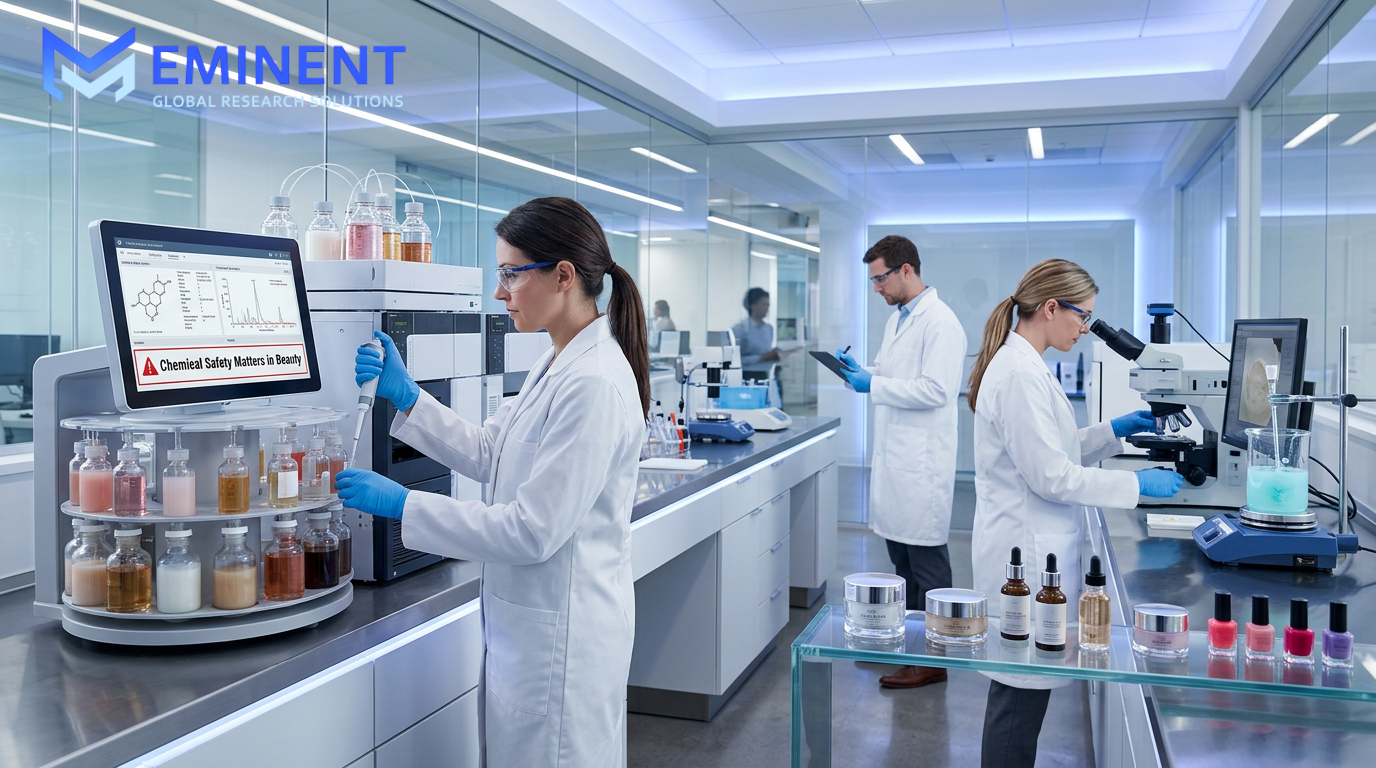
Detecting methylene chloride in cosmetic products requires advanced analytical techniques such as:
- Gas Chromatography (GC)
- Mass Spectrometry (MS)
- Headspace analysis for volatile compounds
Routine testing should be integrated into quality assurance protocols, especially for products involving solvents, adhesives, or imported raw materials.
Best Practices for Compliance
To mitigate risks associated with methylene chloride, cosmetic companies should adopt the following strategies:
1. Ingredient Transparency
Maintain a comprehensive database of all ingredients and their potential contaminants. Work only with certified suppliers who provide full disclosure.
2. Supplier Audits
Conduct regular audits and require Certificates of Analysis (CoA) to ensure raw material purity.
3. Regulatory Intelligence
Stay updated with evolving regulations across key markets. Proactive compliance is far more cost-effective than reactive corrections.
4. Product Reformulation
Where there is any risk of contamination, consider reformulating products using safer, approved alternatives.
5. Consumer Communication
Clearly communicate safety standards and compliance efforts to build trust and reinforce brand integrity.
The Role of Research and Consulting
This is where Eminent Global Research Solutions plays a critical role. As a consulting partner, we help cosmetic companies:
- Navigate complex regulatory landscapes
- Conduct risk assessments and compliance audits
- Identify safer ingredient alternatives
- Monitor global regulatory changes
- Strengthen supply chain transparency
Our insights enable businesses to not only meet compliance standards but also gain a competitive advantage in a safety-conscious market.
Future Outlook
The cosmetics industry is moving toward clean beauty, sustainable formulations, and zero-toxicity standards. Substances like methylene chloride are increasingly incompatible with these trends.
Going forward, we can expect:
- Stricter global regulations
- Increased consumer scrutiny
- Greater demand for transparency
- Adoption of green chemistry principles
Companies that proactively adapt will not only avoid risk but also position themselves as leaders in responsible innovation.