
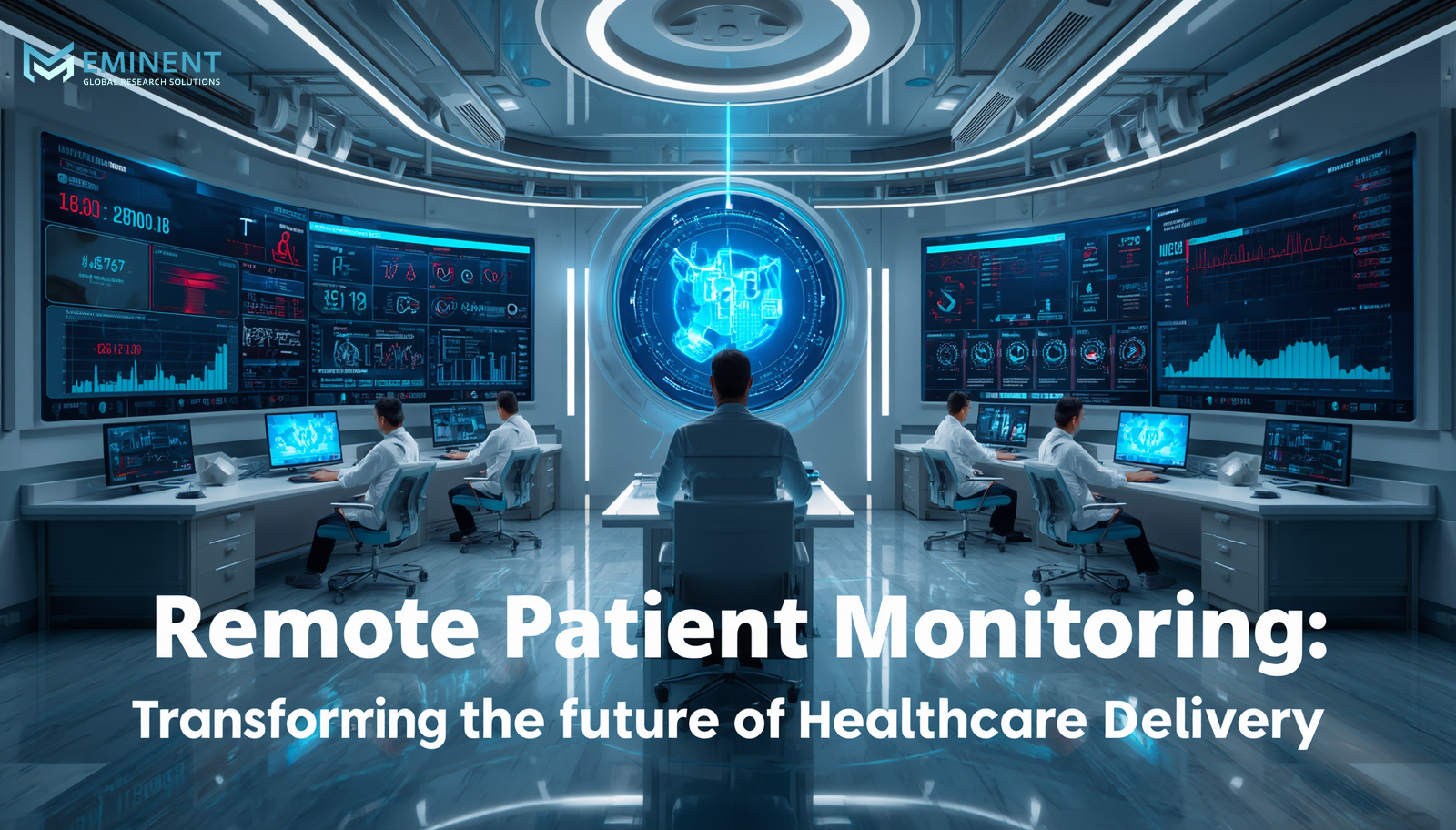
Is Remote Patient Monitoring Transforming Healthcare Delivery?
Remote Patient Monitoring (RPM) is rapidly reshaping healthcare by enabling providers to monitor patients beyond traditional clinical settings. Powered by connected medical devices, wearable technologies, artificial intelligence (AI), and digital health platforms, RPM is improving access to care while helping healthcare systems deliver more proactive, personalized, and cost-effective services.
As healthcare providers worldwide face rising chronic disease prevalence, aging populations, workforce shortages, and increasing cost pressures, remote patient monitoring has evolved from a convenience into a strategic necessity. The question is no longer whether RPM works—it is how healthcare organizations can successfully integrate it into long-term care delivery models.
For healthcare providers, medical device manufacturers, digital health companies, and investors, remote patient monitoring represents one of the most significant growth opportunities in modern healthcare.
The Evolution of Remote Patient Monitoring
Traditionally, patient care has relied heavily on scheduled hospital visits and periodic clinical assessments. While effective for acute conditions, this model often limits clinicians’ ability to detect health deterioration between appointments.
Remote Patient Monitoring changes this paradigm by enabling continuous or scheduled collection of patient health data from home or other non-clinical settings.
Using connected devices such as blood pressure monitors, glucose meters, pulse oximeters, ECG patches, smartwatches, and wearable sensors, healthcare providers can monitor vital signs in real time and intervene before conditions worsen.
This transition shifts healthcare from reactive treatment to proactive disease management.
Why Demand for RPM Is Growing
Several global healthcare trends are accelerating RPM adoption:
- Rising prevalence of chronic diseases such as diabetes, hypertension, COPD, and heart failure.
- Aging populations requiring long-term monitoring and home-based care.
- Increased healthcare costs driving demand for more efficient care models.
- Growing acceptance of telehealth and digital healthcare solutions.
- Advances in IoT, cloud computing, AI, and wearable technology.
Patients also increasingly expect healthcare to be more accessible, convenient, and personalized. Remote monitoring supports these expectations by reducing unnecessary hospital visits while maintaining clinical oversight.
Benefits for Healthcare Providers
Remote Patient Monitoring offers significant operational and clinical advantages:
Improved Clinical Outcomes
Continuous monitoring enables earlier identification of health deterioration, allowing timely interventions that may reduce complications and improve patient outcomes.
Reduced Hospital Readmissions
RPM can help identify warning signs before hospitalization becomes necessary, particularly for patients with chronic diseases.
Better Resource Utilization
By remotely managing stable patients, clinicians can focus in-person resources on individuals requiring immediate attention.
Enhanced Patient Engagement
Patients who actively track their health metrics often become more involved in managing their conditions, improving adherence to treatment plans.
Expanded Access to Care
Remote monitoring improves healthcare accessibility for rural populations, elderly patients, and individuals with limited mobility.
AI Is Making RPM Smarter
Artificial intelligence is significantly enhancing the value of Remote Patient Monitoring.
Rather than simply collecting health data, AI algorithms can analyze trends, detect anomalies, prioritize high-risk patients, and generate predictive insights.
Examples include:
- Predicting heart failure exacerbations
- Detecting abnormal cardiac rhythms
- Identifying medication adherence issues
- Monitoring glucose fluctuations
- Assessing respiratory deterioration
AI-powered clinical decision support reduces clinician workload while improving the speed and accuracy of interventions.
As predictive analytics continue to improve, RPM will increasingly become an intelligent healthcare management platform rather than just a monitoring tool.
Challenges to Large-Scale Adoption
Despite its benefits, widespread implementation requires overcoming several challenges:
Data Integration
RPM systems must integrate seamlessly with Electronic Health Records (EHRs) and existing clinical workflows.
Cybersecurity and Data Privacy
Healthcare organizations must protect sensitive patient information while complying with evolving data privacy regulations.
Reimbursement Models
Although reimbursement for RPM services is expanding, inconsistent payment frameworks across markets remain a barrier.
Digital Literacy
Successful adoption depends on patients’ ability to use connected devices effectively, particularly among elderly populations.
Clinical Workflow Integration
Healthcare providers need clear protocols for reviewing incoming data, responding to alerts, and managing patient communication efficiently.
Organizations that proactively address these challenges are more likely to realize the full value of RPM.
Commercial Opportunities Across the Healthcare Ecosystem
Remote Patient Monitoring creates opportunities for multiple stakeholders:
- Healthcare Providers: Improve care quality while reducing operational costs.
- Medical Device Manufacturers: Develop connected monitoring devices and wearables.
- Digital Health Companies: Build software platforms for data analytics and patient engagement.
- Pharmaceutical Companies: Support medication adherence and real-world evidence collection.
- Insurance Providers: Reduce avoidable hospitalizations and long-term healthcare costs.
Strategic partnerships among these stakeholders will be essential to building scalable RPM ecosystems.
Regulatory and Market Considerations
As RPM adoption grows, regulatory agencies are strengthening oversight of digital health technologies to ensure safety, effectiveness, interoperability, and cybersecurity.
Healthcare organizations must consider:
- Medical device regulations
- Data privacy requirements
- AI governance
- Interoperability standards
- Clinical validation
Companies that incorporate regulatory planning early in product development will be better positioned for successful commercialization.
The Future of Healthcare Delivery
Remote Patient Monitoring is likely to become a foundational component of future healthcare systems.
Combined with AI, wearable technology, digital therapeutics, and personalized medicine, RPM can support continuous, patient-centered care that extends far beyond hospital walls.
Future healthcare ecosystems may include:
- Continuous home-based monitoring
- AI-driven early disease detection
- Personalized treatment recommendations
- Virtual care coordination
- Predictive population health management
These capabilities have the potential to improve patient outcomes while making healthcare more efficient and sustainable.
Consulting Perspective
Remote Patient Monitoring is transforming healthcare delivery, but technology alone will not determine success. Organizations must develop integrated strategies that combine clinical workflows, digital infrastructure, regulatory compliance, reimbursement planning, and patient engagement.
Healthcare providers, MedTech companies, and digital health innovators that invest early in scalable RPM ecosystems can strengthen care delivery, improve operational efficiency, and create sustainable competitive advantages in an increasingly connected healthcare landscape.