

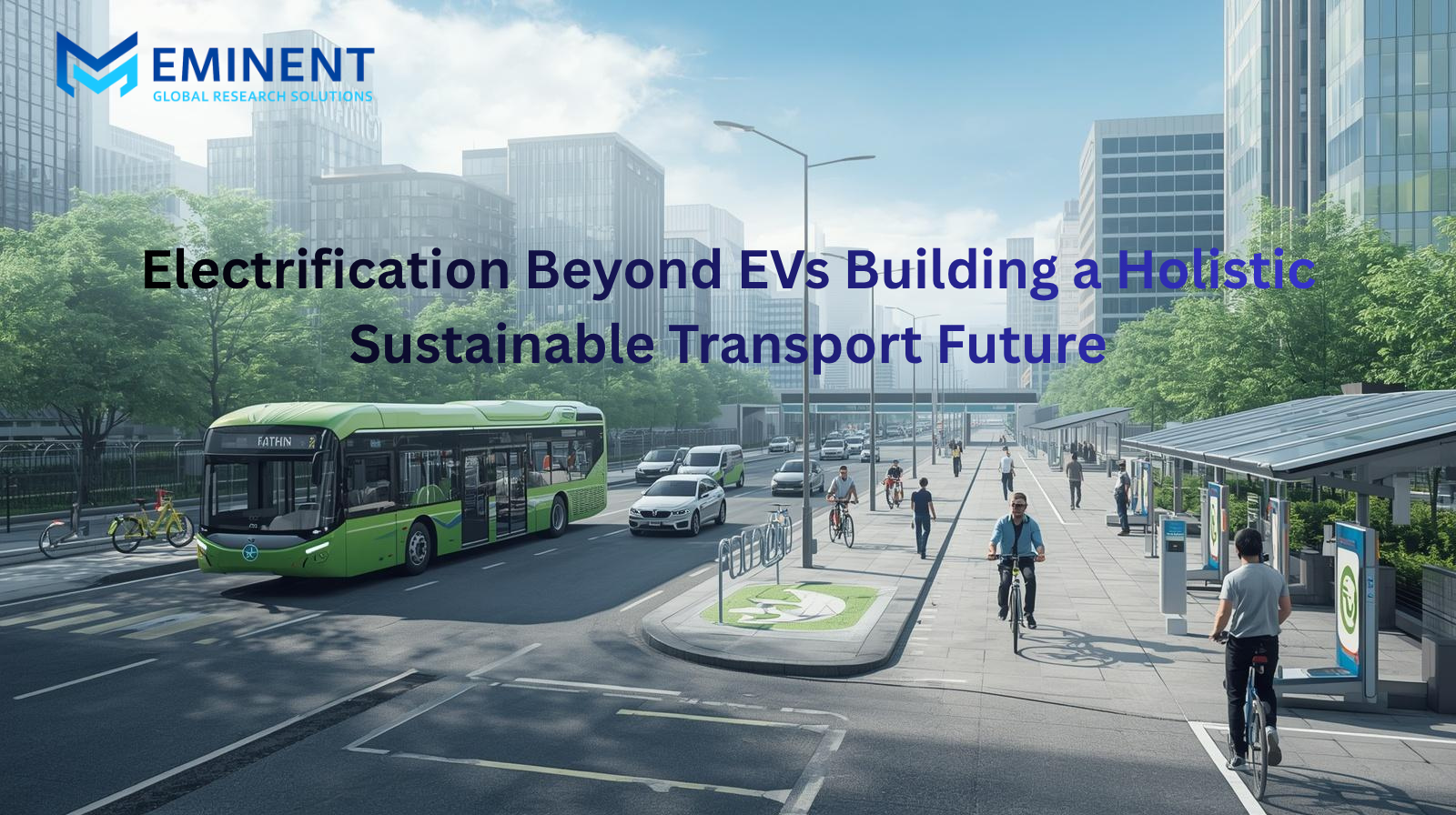
Urban transportation is undergoing a profound transformation. As cities grapple with rising emissions, congestion, and air pollution, the need for carbon-neutral mobility ecosystems has become more urgent than ever. What was once a linear system—vehicles moving people from point A to B—is now evolving into a connected, intelligent, and sustainable network.
This shift is not just about replacing fuel with electricity; it’s about reimagining how cities move.
🌍 The Problem with Traditional Urban Mobility
Conventional transport systems have long depended on fossil fuels, resulting in:
- High greenhouse gas emissions
- Traffic congestion and inefficiency
- Poor urban air quality
- Heavy reliance on private vehicle ownership
Urban mobility today contributes a significant share of global emissions. Simply improving vehicle efficiency is no longer enough—systemic change is required.
⚡ What is a Carbon-Neutral Mobility Ecosystem?
A carbon-neutral mobility ecosystem integrates multiple elements to reduce or eliminate emissions across the entire transportation value chain:
Key Components:
- Electric Vehicles (EVs): Cars, buses, and two-wheelers powered by clean energy
- Public Transport Electrification: Metro systems, electric buses, and rail
- Shared Mobility Solutions: Ride-sharing, bike-sharing, and micro-mobility
- Smart Infrastructure: Charging networks, traffic management systems, IoT integration
- Renewable Energy Integration: Solar and wind powering transport systems
This ecosystem approach ensures that sustainability is embedded end-to-end, not just at the vehicle level.
🚀 Drivers Accelerating the Transition
1. Policy & Regulation
Governments worldwide are introducing stricter emission norms, EV incentives, and net-zero targets, pushing cities toward cleaner mobility.
2. Technological Innovation
Advancements in battery technology, AI-driven traffic systems, and autonomous vehicles are reshaping urban transport.
3. Consumer Behavior Shift
Urban populations are increasingly adopting shared mobility and eco-friendly transport options over car ownership.
4. Corporate Sustainability Goals
Businesses are integrating green logistics and employee mobility solutions to align with ESG commitments.
🏙️ The Role of Smart Cities
Smart cities are at the heart of this transformation. By leveraging:
- Data analytics for traffic optimization
- Integrated mobility platforms (Mobility-as-a-Service)
- Real-time transport tracking
Cities can reduce emissions while improving commuter experience.
The future city is one where mobility is seamless, connected, and sustainable.
🔄 From Ownership to Access
One of the most significant shifts is moving from vehicle ownership to mobility access:
- Subscription-based transport models
- Integrated ticketing across modes
- On-demand mobility services
This reduces the number of vehicles on the road, directly lowering emissions and congestion.
🌱 Challenges on the Road Ahead
Despite progress, several challenges remain:
- Infrastructure gaps (charging stations, grid capacity)
- High upfront costs of EVs
- Policy fragmentation across regions
- Battery lifecycle and recycling concerns
Addressing these requires collaboration between governments, industry, and innovators.
💡 Opportunities for Businesses & Innovators
The transition opens up massive opportunities:
- EV infrastructure development
- Battery innovation and recycling technologies
- Mobility data platforms and AI solutions
- Green logistics and fleet electrification
Organizations that invest early will gain a competitive edge in the evolving mobility landscape.
🔮 The Future of Urban Mobility
The future is not just electric—it is:
- Connected (data-driven systems)
- Shared (reduced ownership)
- Autonomous (self-driving innovation)
- Sustainable (net-zero aligned)
Urban transport will become an ecosystem, not a standalone service.
✨ Conclusion
Reimagining urban transport is no longer optional—it is essential for building resilient, livable cities. The shift toward carbon-neutral mobility ecosystems represents a fundamental transformation in how we design, power, and experience movement.
Cities that embrace this transition will not only reduce emissions but also unlock economic growth, innovation, and improved quality of life.