

Introduction
Hematology is undergoing a transformative shift, driven by rapid advancements in biotechnology, artificial intelligence, and precision medicine. Blood cell research is no longer limited to diagnostics—it is now at the forefront of next-generation therapies, disease prevention, and personalized healthcare.
🔬 Breakthroughs in Blood Cell Research
1. AI-Powered Diagnostics
Artificial Intelligence is revolutionizing how blood samples are analyzed. Advanced algorithms can now detect abnormalities in red and white blood cells with greater speed and accuracy, enabling early diagnosis of conditions like leukemia, anemia, and infections.
🧬 2. Stem Cell & Regenerative Therapies
Stem cell research is unlocking new possibilities in blood cell regeneration. Scientists are developing techniques to produce healthy blood cells in labs, offering hope for patients with genetic disorders such as sickle cell disease.
🧪 3. Gene Editing & CRISPR
Gene-editing technologies like CRISPR are paving the way for targeted treatments of blood disorders. By correcting defective genes at the source, researchers are moving closer to long-term or even permanent cures.
🩺 4. Personalized Medicine
With deeper insights into individual genetic profiles, hematology is shifting toward personalized treatment plans. This ensures better outcomes by tailoring therapies to each patient’s unique biology.
⚙️ 5. Automation & Digital Pathology
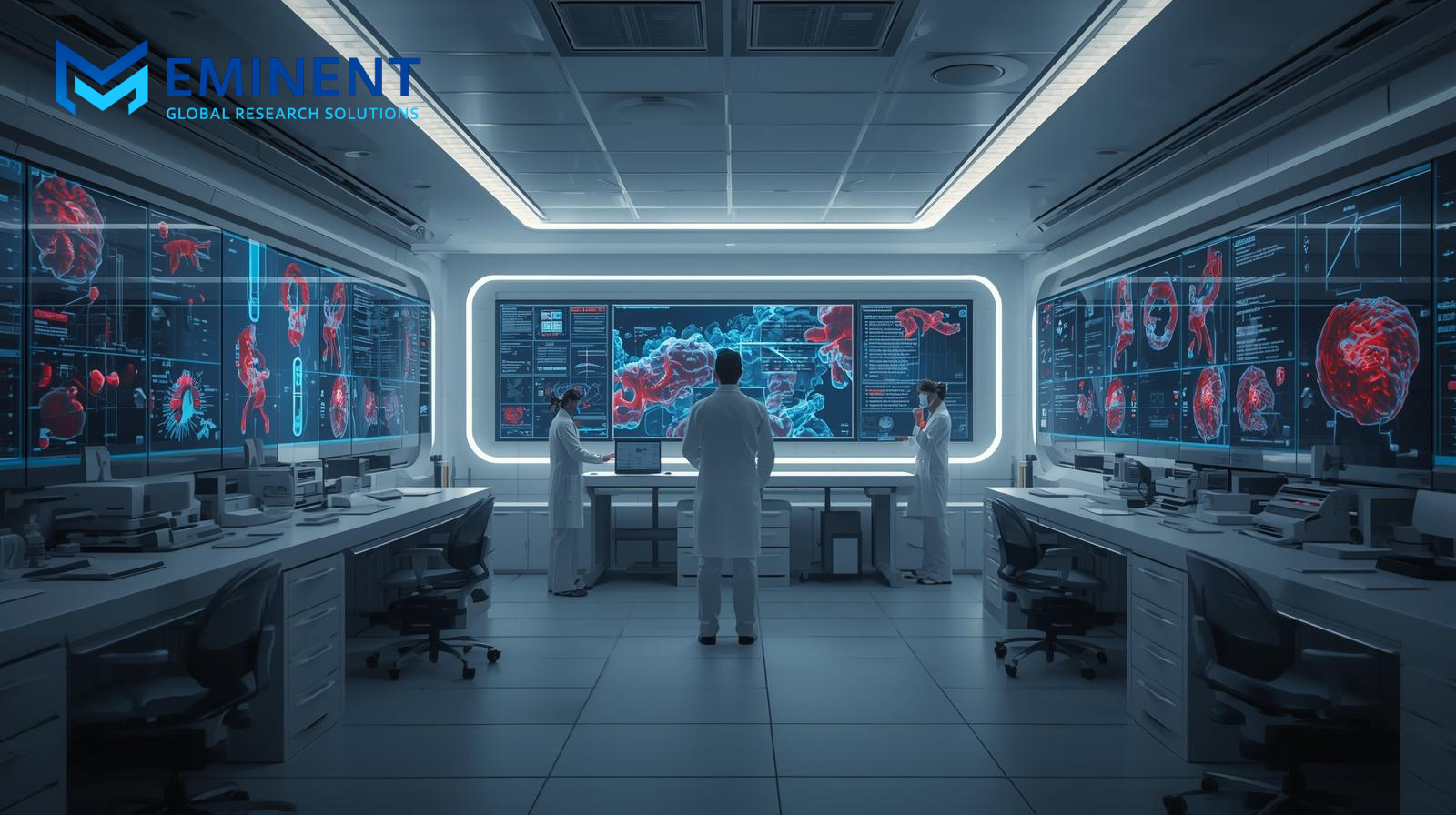
Modern hematology labs are adopting automation and digital imaging systems to improve efficiency and reduce human error. These technologies enable real-time data analysis and remote diagnostics, transforming healthcare delivery.
🌍 Industry Impact
These innovations are not only improving patient care but also reshaping the healthcare ecosystem. From faster diagnostics to breakthrough therapies, blood cell research is becoming a key driver of biotech growth and medical innovation.
🚀 Conclusion
The future of hematology lies at the intersection of technology, biology, and data science. As research continues to evolve, we can expect more precise diagnostics, innovative treatments, and improved patient outcomes—bringing us closer to a world where many blood disorders are no longer life-threatening.