

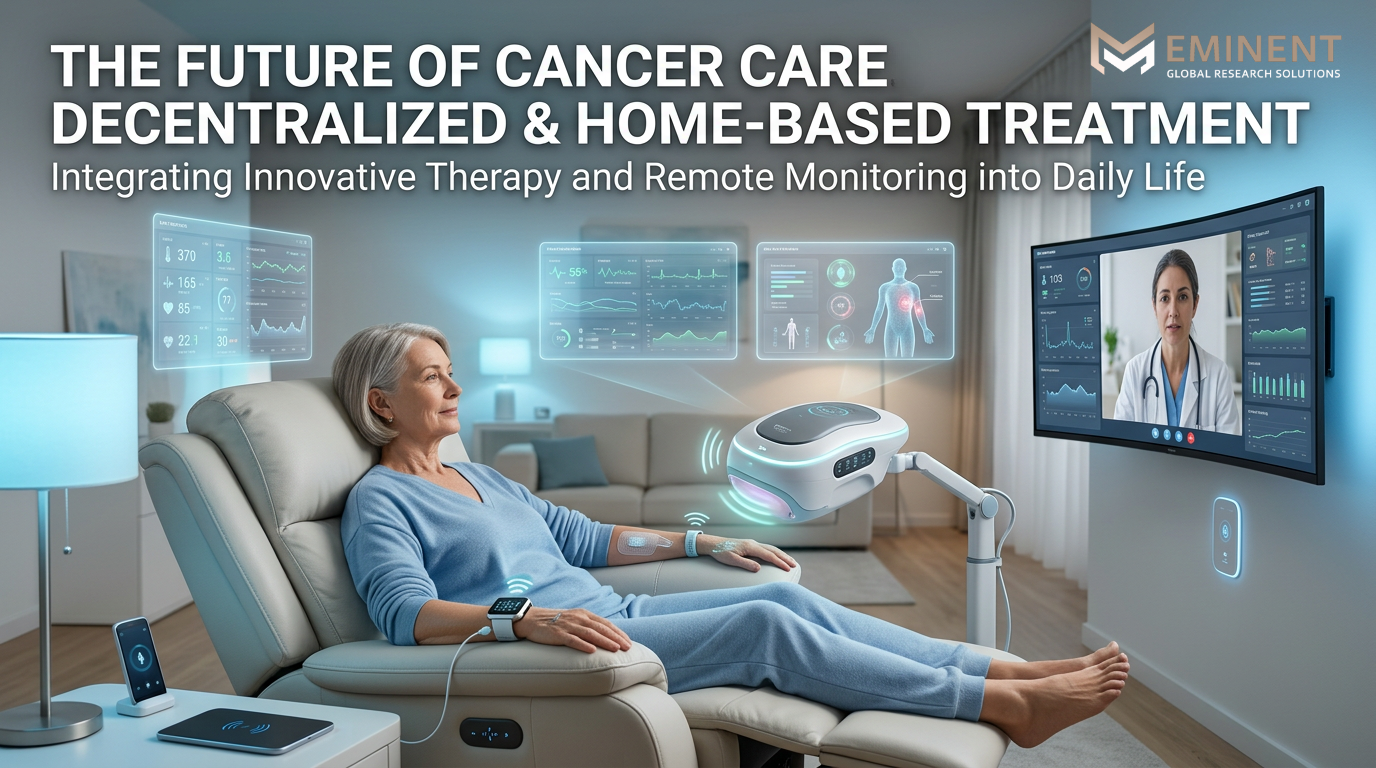
The approval of innovative at-home cancer treatment technology marks an important milestone in the transformation of modern healthcare. It reflects a broader industry shift away from centralized hospital-based treatment models toward more decentralized, patient-centric care ecosystems designed to integrate treatment into everyday life.
For decades, cancer treatment has largely depended on intensive hospital infrastructure, repeated clinical visits, and highly centralized care delivery systems. While these models remain essential for many advanced therapies, emerging medical technologies are beginning to redefine how certain treatments can be administered, monitored, and managed outside traditional healthcare settings.
The rise of home-based cancer care signals the emergence of a new healthcare paradigm where convenience, personalization, remote monitoring, and digital health integration become increasingly important components of treatment delivery.
This transition has major implications for healthcare providers, medical technology companies, insurers, pharmaceutical organizations, and policymakers. Companies capable of developing scalable decentralized healthcare ecosystems may gain significant competitive advantages as healthcare systems continue evolving toward more patient-focused and digitally enabled models.
At the same time, the shift introduces new challenges related to patient monitoring, reimbursement structures, infrastructure readiness, regulatory oversight, and long-term clinical management.
The future of cancer care may increasingly involve technologies designed not only to treat disease effectively, but also to reduce disruption to patients’ daily lives.
Why Healthcare Is Moving Beyond Hospitals
Healthcare systems worldwide face growing pressure from:
- Rising patient volumes
- Aging populations
- Increasing chronic disease prevalence
- Workforce shortages
- Escalating treatment costs
- Hospital capacity limitations
These pressures are accelerating interest in decentralized healthcare models capable of delivering high-quality care outside traditional clinical environments.
Advancements in:
- Remote monitoring technologies
- Wearable medical devices
- AI-powered diagnostics
- Telemedicine platforms
- Digital therapeutics
- Portable treatment systems
are making home-based healthcare increasingly feasible across multiple therapeutic areas.
Cancer care is now becoming part of this broader transformation.
Historically, oncology treatments often required highly controlled hospital environments due to the complexity and intensity of therapies such as chemotherapy, radiation, and surgical intervention. However, innovations in non-invasive treatment technologies and digital patient management systems are gradually enabling portions of cancer care to move into home settings.
This transition aligns with growing demand for more personalized and less disruptive treatment experiences.
The Shift Toward Non-Invasive Treatment Models
One of the most important drivers behind home-based cancer care is the development of non-invasive and minimally invasive treatment technologies.
Traditional cancer treatments often involve significant physical burden, extended recovery periods, and frequent clinical supervision. Emerging technologies aim to reduce these challenges by offering therapies that are:
- More targeted
- Less invasive
- Easier to administer
- Better integrated into daily life
- Supported by remote monitoring systems
The approval of innovative treatment devices for cancers such as pancreatic cancer reflects growing progress in this direction.
Non-invasive technologies may provide several potential advantages:
- Reduced hospital dependency
- Improved patient comfort
- Lower healthcare system burden
- Increased treatment accessibility
- Enhanced quality of life
As treatment delivery becomes more portable and digitally connected, healthcare providers may increasingly support hybrid care models combining in-person expertise with home-based management.
This could significantly reshape patient care pathways across oncology and other specialized medical fields.
Patient Experience Is Becoming a Strategic Priority
The rise of decentralized healthcare reflects a broader shift toward patient-centered care models.
Patients increasingly expect healthcare experiences that are:
- More convenient
- Less disruptive
- Digitally connected
- Personalized
- Accessible outside hospitals
Cancer treatment can place substantial emotional, physical, and logistical strain on patients and caregivers. Frequent hospital visits, long travel times, and intensive clinical schedules often affect quality of life significantly.
Home-based care models aim to reduce these burdens by integrating treatment more seamlessly into patients’ daily routines.
Improving patient experience may also contribute to:
- Better treatment adherence
- Enhanced long-term monitoring
- Higher patient satisfaction
- Improved healthcare accessibility
- Reduced care discontinuation risk
As healthcare competition increases globally, patient experience is becoming not only a clinical consideration but also a strategic differentiator for healthcare providers and medical technology companies.
Remote Monitoring Will Become Critical
The expansion of at-home cancer care depends heavily on advancements in digital health and remote monitoring technologies.
Healthcare providers must maintain visibility into patient health status, treatment response, and potential complications even when treatment occurs outside clinical facilities.
This creates growing importance for:
- Connected medical devices
- AI-driven monitoring systems
- Telehealth platforms
- Real-time patient data analytics
- Predictive health algorithms
- Remote diagnostics
Future decentralized oncology ecosystems may involve continuous monitoring systems capable of detecting treatment issues, side effects, or disease progression in real time.
Artificial intelligence may also play a growing role in:
- Risk prediction
- Personalized treatment adjustments
- Early intervention alerts
- Clinical decision support
- Population health management
Companies developing integrated treatment and monitoring platforms may gain strong positioning within the future healthcare landscape.
Reimbursement Models Must Evolve
One of the largest barriers to scaling home-based cancer care involves reimbursement and healthcare financing structures.
Traditional healthcare reimbursement systems were largely designed around hospital-centered treatment delivery models. Decentralized care introduces new questions regarding:
- Treatment reimbursement
- Device coverage
- Remote monitoring compensation
- Digital health integration
- Long-term outcomes measurement
Healthcare systems and insurers will increasingly need to evaluate:
- Cost-effectiveness of home-based treatment
- Clinical outcomes compared to hospital care
- Infrastructure investment requirements
- Long-term patient management savings
If decentralized care models reduce hospitalization rates and improve patient outcomes, they may eventually help lower overall healthcare system costs.
However, scaling these models commercially requires alignment between:
- Regulatory frameworks
- Clinical evidence
- Provider incentives
- Insurance reimbursement structures
Companies that proactively address reimbursement strategy alongside product innovation may improve adoption rates significantly.
Healthcare Infrastructure Is Becoming More Distributed
The rise of home-based cancer care reflects a larger structural transformation in healthcare infrastructure.
Future healthcare ecosystems may become increasingly distributed across:
- Hospitals
- Homes
- Remote care networks
- Digital platforms
- Wearable technologies
- AI-powered monitoring systems
This evolution requires healthcare organizations to rethink:
- Care coordination models
- Clinical workflows
- Data management systems
- Cybersecurity frameworks
- Workforce training
- Regulatory compliance strategies
Medical technology companies may also increasingly shift from standalone device manufacturing toward integrated healthcare ecosystem development.
Success will depend not only on clinical innovation but also on the ability to support scalable and reliable decentralized care environments.
The Future of Decentralized Healthcare
The rise of home-based cancer treatment represents one of the clearest signs that healthcare delivery is entering a new era.
Over the next decade, advancements in:
- Digital therapeutics
- AI-driven healthcare
- Remote diagnostics
- Personalized medicine
- Connected medical devices
- Portable treatment technologies
may significantly expand the range of conditions manageable outside traditional hospitals.
Cancer care is likely to become increasingly hybridized, combining:
- Advanced hospital-based interventions
- Remote patient management
- Home-based supportive care
- Continuous digital monitoring
For consulting firms, healthcare organizations, insurers, and medical technology companies, this transformation creates growing demand for expertise in:
- Decentralized healthcare strategy
- Digital health integration
- Remote care infrastructure
- Reimbursement optimization
- Regulatory planning
- Patient engagement ecosystems
The future of healthcare may not be defined solely by hospitals and clinics — but by how effectively care can be delivered wherever patients live, work, and recover.