

Introduction
Antimicrobial resistance (AMR) is one of the most pressing global health challenges. As bacteria evolve to resist existing treatments, the need for new antimicrobial drugs has become critical. Regulatory agencies such as the U.S. Food and Drug Administration (FDA) play a crucial role in ensuring that new antibiotics and antifungal drugs reach patients safely and efficiently.
To accelerate the development of treatments targeting resistant pathogens, the FDA has established several special approval pathways that allow pharmaceutical companies to bring innovative antimicrobial drugs to market faster while maintaining rigorous safety and efficacy standards.
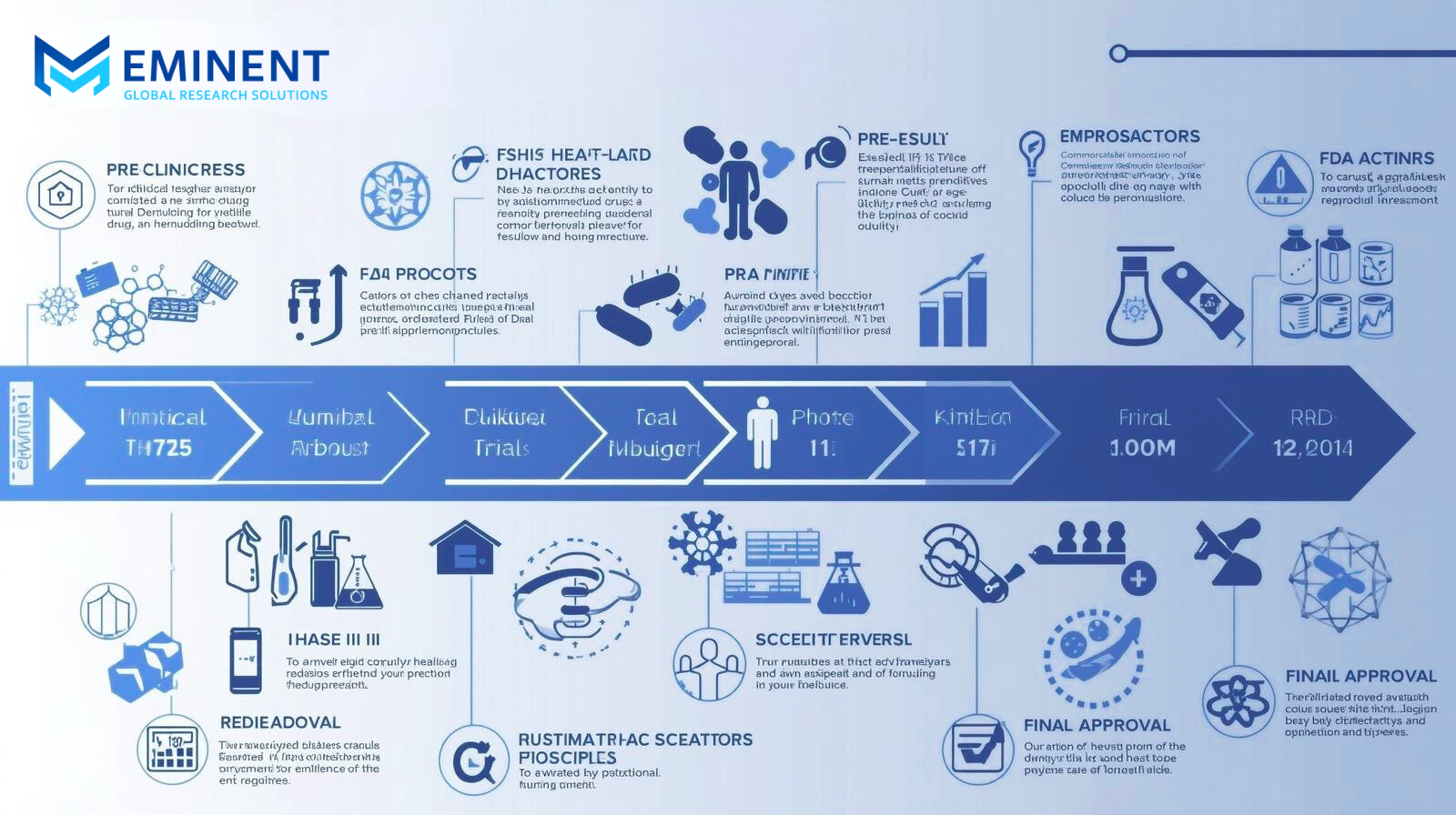
Standard FDA Drug Approval Process
Before exploring the accelerated pathways, it is important to understand the traditional FDA approval process for drugs:
Preclinical Research
Laboratory and animal studies to evaluate safety and biological activity.
Investigational New Drug (IND) Application
Companies submit data to the FDA requesting permission to begin clinical trials.
Clinical Trials
Phase I: Safety testing in healthy volunteers
Phase II: Evaluates effectiveness and dosing
Phase III: Large-scale studies confirming safety and efficacy
New Drug Application (NDA)
Submission of all clinical data to the FDA for review.
FDA Review and Approval
The FDA evaluates benefits, risks, and manufacturing quality before granting approval.
While this process ensures drug safety, it can take 10–15 years, which is a major challenge for urgently needed antimicrobial therapies.
Accelerated FDA Approval Pathways for Antimicrobial Drugs
1. Fast Track Designation
The Fast Track program is designed to facilitate the development and review of drugs that treat serious conditions and address unmet medical needs, including antimicrobial resistance.
Key benefits:
More frequent meetings with the FDA
Rolling submission of application sections
Potential eligibility for priority review
Fast Track designation allows pharmaceutical developers to resolve regulatory issues earlier in the development process.
2. Breakthrough Therapy Designation
Breakthrough Therapy designation is granted when early clinical evidence indicates substantial improvement over existing therapies.
Advantages include:
Intensive FDA guidance during development
Organizational commitment involving senior FDA staff
Accelerated clinical development and review
This pathway is particularly valuable when new antimicrobials show strong effectiveness against multidrug-resistant pathogens.
3. Priority Review
Under Priority Review, the FDA shortens the standard review timeline.
Standard review: ~10 months
Priority review: ~6 months
This designation is given to drugs that provide significant improvements in treatment, prevention, or diagnosis of serious infections.
Many recently approved antibiotics targeting resistant bacteria have benefited from this accelerated review process.
4. Limited Population Pathway for Antibacterial and Antifungal Drugs (LPAD)
The Limited Population Pathway for Antibacterial and Antifungal Drugs (LPAD) was introduced through the 21st Century Cures Act to support treatments for serious infections in small, high-risk patient populations.
Key characteristics:
Approval based on smaller clinical trials
Focus on patients with limited treatment options
Clear labeling indicating limited-use populations
LPAD helps address infections caused by highly resistant pathogens while still maintaining strict regulatory oversight.
Importance for the Pharmaceutical Industry
For pharmaceutical companies, these FDA pathways provide critical incentives to invest in antimicrobial innovation. Antibiotic development often faces economic challenges due to limited market use and stewardship policies designed to prevent resistance.
Accelerated approval mechanisms:
Reduce development timelines
Lower regulatory uncertainty
Encourage R&D investment in AMR therapies
These pathways are essential for ensuring a steady pipeline of new antimicrobial drugs to combat resistant infections.
Conclusion
The growing threat of antimicrobial resistance requires rapid and effective responses from regulators and the pharmaceutical industry. The U.S. Food and Drug Administration has implemented multiple accelerated approval pathways—including Fast Track, Breakthrough Therapy, Priority Review, and LPAD—to support the development of life-saving antimicrobial drugs.
By streamlining regulatory processes while maintaining rigorous safety standards, these pathways play a critical role in ensuring that innovative treatments reach patients who urgently need them.