

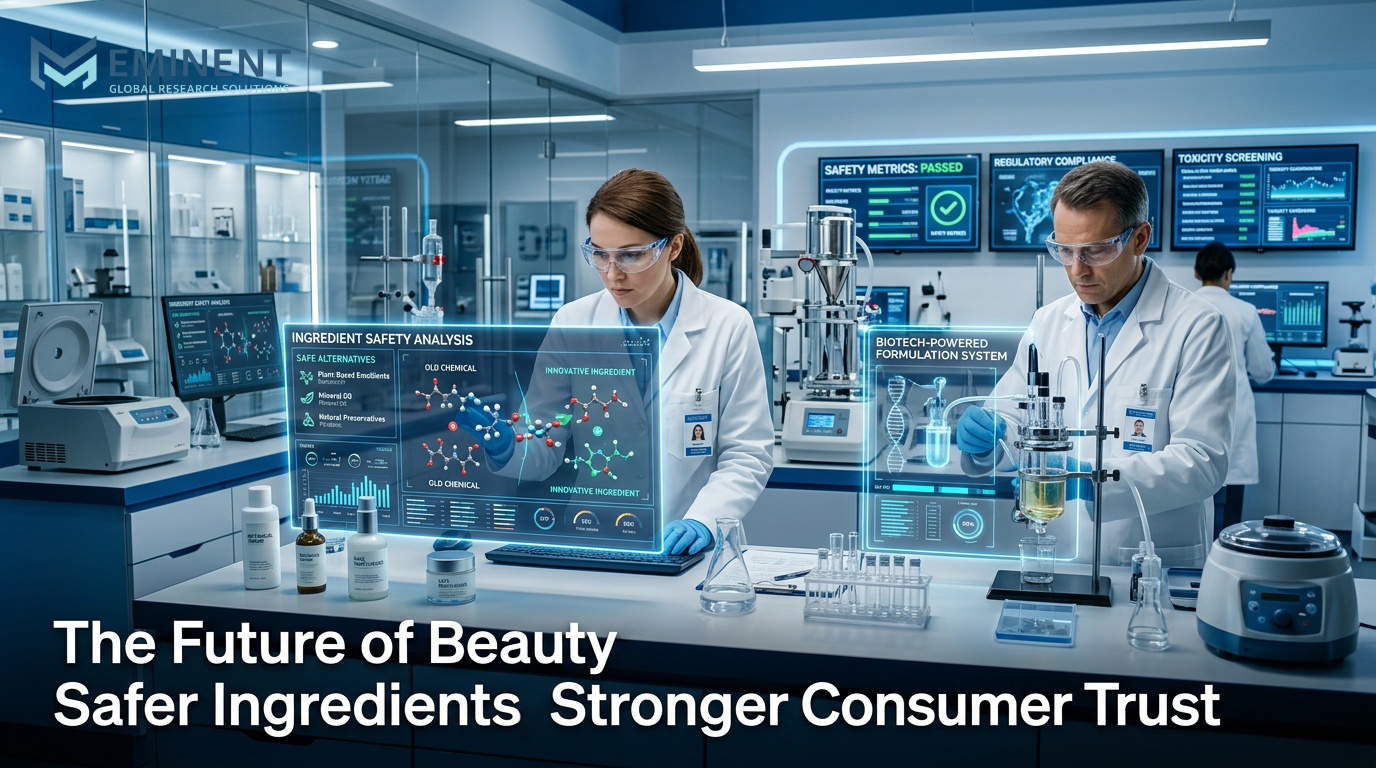
The FDA’s continued delay in finalizing a proposed ban on formaldehyde and formaldehyde-releasing chemicals in hair-straightening products has reignited discussions around product safety, regulatory oversight, and the future of ingredient innovation in the beauty industry.
While the regulatory timeline remains uncertain, the broader industry implications are becoming increasingly clear. Consumer awareness of ingredient safety is rising, regulatory scrutiny is intensifying globally, and beauty brands are facing growing pressure to demonstrate both efficacy and safety in their product portfolios.
For manufacturers, ingredient suppliers, and beauty brands, the issue extends beyond a single chemical. It reflects a larger industry transition toward safer formulations, greater transparency, and science-driven innovation.
The Formaldehyde Debate in Beauty Products
Formaldehyde has long been associated with certain hair-smoothing and hair-straightening treatments due to its effectiveness in creating long-lasting results.
However, concerns regarding potential health risks linked to formaldehyde exposure have persisted for years. Salon professionals, consumers, healthcare advocates, and regulators have increasingly scrutinized products that either contain formaldehyde directly or release it during use.
The debate highlights a common challenge within the beauty industry: balancing product performance with safety expectations.
Historically, some high-performing ingredients remained widely used because alternatives could not deliver comparable results. Today, advances in cosmetic science and biotechnology are changing that equation.
As innovation accelerates, brands are under increasing pressure to identify safer alternatives without compromising consumer experience.
Regulatory Uncertainty Creates Strategic Challenges
The FDA’s delayed decision illustrates how regulatory uncertainty can create challenges across the beauty value chain.
When companies face unclear timelines regarding ingredient restrictions, they must make difficult decisions regarding:
- Product development investments
- Reformulation strategies
- Inventory planning
- Manufacturing processes
- Global compliance requirements
- Brand positioning
Many companies are choosing not to wait for regulatory mandates before taking action.
Instead, leading organizations are proactively reformulating products, strengthening ingredient review processes, and investing in safer alternatives to reduce future risk exposure.
This proactive approach can help companies avoid costly product disruptions while enhancing consumer confidence.
Consumer Expectations Are Changing
Beauty consumers today are significantly more informed than previous generations.
Digital platforms, ingredient databases, social media discussions, and growing health awareness have increased scrutiny of product formulations.
Consumers increasingly expect:
- Transparent ingredient disclosure
- Strong safety standards
- Scientific validation
- Ethical sourcing practices
- Regulatory compliance
- Long-term health considerations
As a result, trust has become one of the most valuable assets in the beauty industry.
Brands that openly communicate safety commitments and invest in continuous product improvement may strengthen customer loyalty and premium positioning.
Conversely, companies perceived as slow to address ingredient concerns may face reputational risks regardless of regulatory outcomes.
Safer Chemistry Is Becoming a Competitive Advantage
The formaldehyde discussion is accelerating investment in safer chemistry and next-generation ingredient innovation.
Beauty companies are increasingly exploring:
- Biotechnology-derived ingredients
- Green chemistry solutions
- Plant-based alternatives
- Precision fermentation technologies
- Advanced polymer systems
- Low-toxicity formulation platforms
These innovations allow companies to maintain product performance while reducing potential health and environmental concerns.
In many cases, safer formulations are becoming not only a compliance strategy but also a commercial differentiator.
Consumers are often willing to pay premium prices for products that combine performance with scientifically supported safety profiles.
This creates opportunities for brands to reposition safety as a value proposition rather than simply a regulatory requirement.
The Rise of Science-Backed Beauty
One of the most significant trends emerging from regulatory debates is the increasing importance of scientific credibility.
The future beauty market is likely to reward companies that can demonstrate:
- Clinical testing
- Toxicology expertise
- Regulatory readiness
- Ingredient transparency
- Long-term safety research
- Evidence-based product claims
This shift is encouraging closer collaboration between beauty companies, biotechnology firms, toxicologists, academic researchers, and regulatory specialists.
As a result, product development is becoming more data-driven and scientifically rigorous.
Organizations that invest early in these capabilities may gain advantages as regulatory expectations continue to evolve.
Supply Chain Implications
Potential ingredient restrictions also have significant implications for suppliers and manufacturers.
Ingredient suppliers are increasingly expected to:
- Provide detailed safety documentation
- Support regulatory compliance efforts
- Develop alternative ingredients
- Demonstrate sustainability credentials
- Maintain traceability across supply chains
This creates opportunities for specialty ingredient companies that can deliver safer, high-performance substitutes supported by robust scientific data.
Over time, ingredient innovation may become one of the most important sources of competitive differentiation within the beauty sector.
What This Means for the Future of Beauty
The ongoing debate surrounding formaldehyde in hair-straightening products reflects a broader transformation occurring across the global beauty industry.
The future market will likely be defined by:
- Higher safety standards
- Increased regulatory oversight
- Science-backed innovation
- Transparent communication
- Sustainable ingredient sourcing
- Consumer trust and wellness positioning
Companies that proactively adapt to these trends may be better positioned to navigate evolving regulations while capturing emerging market opportunities.
For consulting firms, beauty brands, ingredient manufacturers, and investors, the key lesson is clear: regulatory developments are increasingly shaping innovation priorities and competitive strategy.
The organizations that successfully combine regulatory readiness, safer chemistry, and scientific credibility may become the next leaders in the global beauty and personal care market.
Consulting Angle
The continued regulatory scrutiny of formaldehyde in hair-straightening products signals a broader industry shift toward ingredient safety, transparency, and science-backed innovation. Beauty companies that proactively invest in safer alternatives, advanced formulation technologies, and regulatory intelligence can reduce compliance risks while strengthening consumer trust and premium brand positioning. As regulations evolve globally, safety-led innovation may become a key source of competitive advantage in the beauty and personal care sector.