

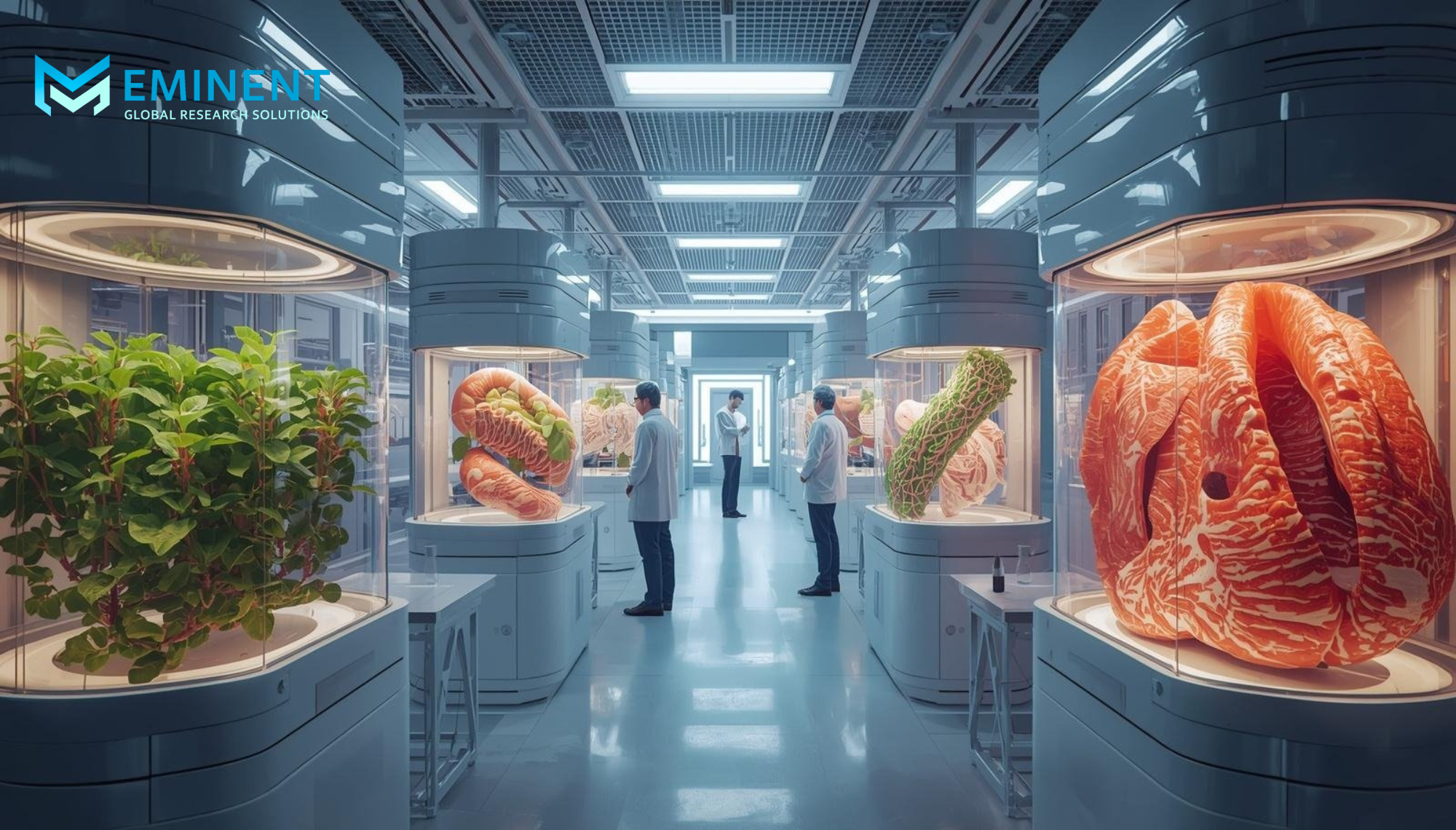
The global food industry is undergoing a structural transformation, driven by sustainability pressures, resource constraints, and evolving consumer preferences. Alternative proteins—once a niche segment—are now emerging as a mainstream solution to address food security, environmental impact, and nutritional demands. For organizations navigating this shift, understanding the trajectory of alternative proteins is critical to unlocking new growth opportunities and competitive advantage.
What Are Alternative Proteins?
Alternative proteins refer to protein sources that replace or complement conventional animal-based proteins. These include plant-based proteins, cultivated (lab-grown) meat, fermentation-derived proteins, and insect-based proteins. Each category leverages distinct technologies but shares a common goal: delivering scalable, sustainable, and efficient protein production.
Plant-based proteins, derived from soy, pea, wheat, and other crops, currently dominate the market due to their accessibility and established supply chains. Meanwhile, cultivated meat—produced by growing animal cells in controlled environments—is gaining momentum as regulatory frameworks evolve. Precision fermentation is enabling the creation of dairy and egg proteins without animals, while insect protein is finding applications in animal feed and emerging human food markets.
Market Drivers Accelerating Adoption
Several macroeconomic and societal factors are accelerating the growth of alternative proteins:
1. Sustainability Imperatives
Traditional livestock farming contributes significantly to greenhouse gas emissions, water usage, and land degradation. Alternative proteins offer a lower environmental footprint, making them attractive for governments and corporations aligned with ESG goals.
2. Rising Global Protein Demand
With the global population projected to exceed 9 billion by 2050, protein demand is expected to surge. Alternative proteins provide a scalable solution to bridge the supply-demand gap without overburdening natural resources.
3. Technological Advancements
Breakthroughs in biotechnology, food science, and process engineering are improving taste, texture, and cost-efficiency. Precision fermentation and cellular agriculture, in particular, are unlocking next-generation protein innovation.
4. Changing Consumer Preferences
Consumers are increasingly prioritizing health, sustainability, and ethical sourcing. Flexitarian diets are expanding, creating a broader market beyond strict vegetarians or vegans.
Industry Challenges and Strategic Considerations
Despite strong momentum, the alternative protein sector faces several challenges:
- Cost Competitiveness: Many alternative protein products still struggle to achieve price parity with conventional meat.
- Regulatory Hurdles: Approval processes for cultivated and fermentation-based proteins vary across regions, creating market entry complexities.
- Consumer Acceptance: Taste, texture, and perception remain critical barriers, especially in emerging markets.
- Supply Chain Scaling: Building robust, scalable production infrastructure requires significant capital investment.
For businesses, success will depend on strategic partnerships, R&D investments, and localized market entry strategies. Companies that integrate vertically—from raw material sourcing to product development—are better positioned to manage costs and ensure quality.
Competitive Landscape and Innovation Trends
The competitive landscape is rapidly evolving, with startups, multinational food companies, and biotech firms all vying for market share. Key trends shaping the industry include:
- Hybrid Products: Combining plant-based and cultivated ingredients to optimize cost and taste.
- Clean Label Innovation: Simplifying ingredient lists to meet consumer demand for transparency.
- Regional Customization: Tailoring products to local tastes and dietary habits.
- B2B Ingredient Expansion: Growth in supplying protein ingredients to food manufacturers rather than direct-to-consumer products.
Strategic collaborations between food companies and biotech firms are also accelerating commercialization and reducing time-to-market.
The Road Ahead
Alternative proteins are no longer a futuristic concept—they are a critical pillar of the future food ecosystem. While challenges remain, the convergence of technology, investment, and consumer demand is creating a strong foundation for long-term growth.
For organizations like Eminent Global Research Solutions, this sector presents a significant opportunity to support clients with market intelligence, competitive benchmarking, and innovation tracking. Businesses that act early, invest strategically, and align with sustainability goals will be best positioned to lead in this evolving landscape.