

Introduction
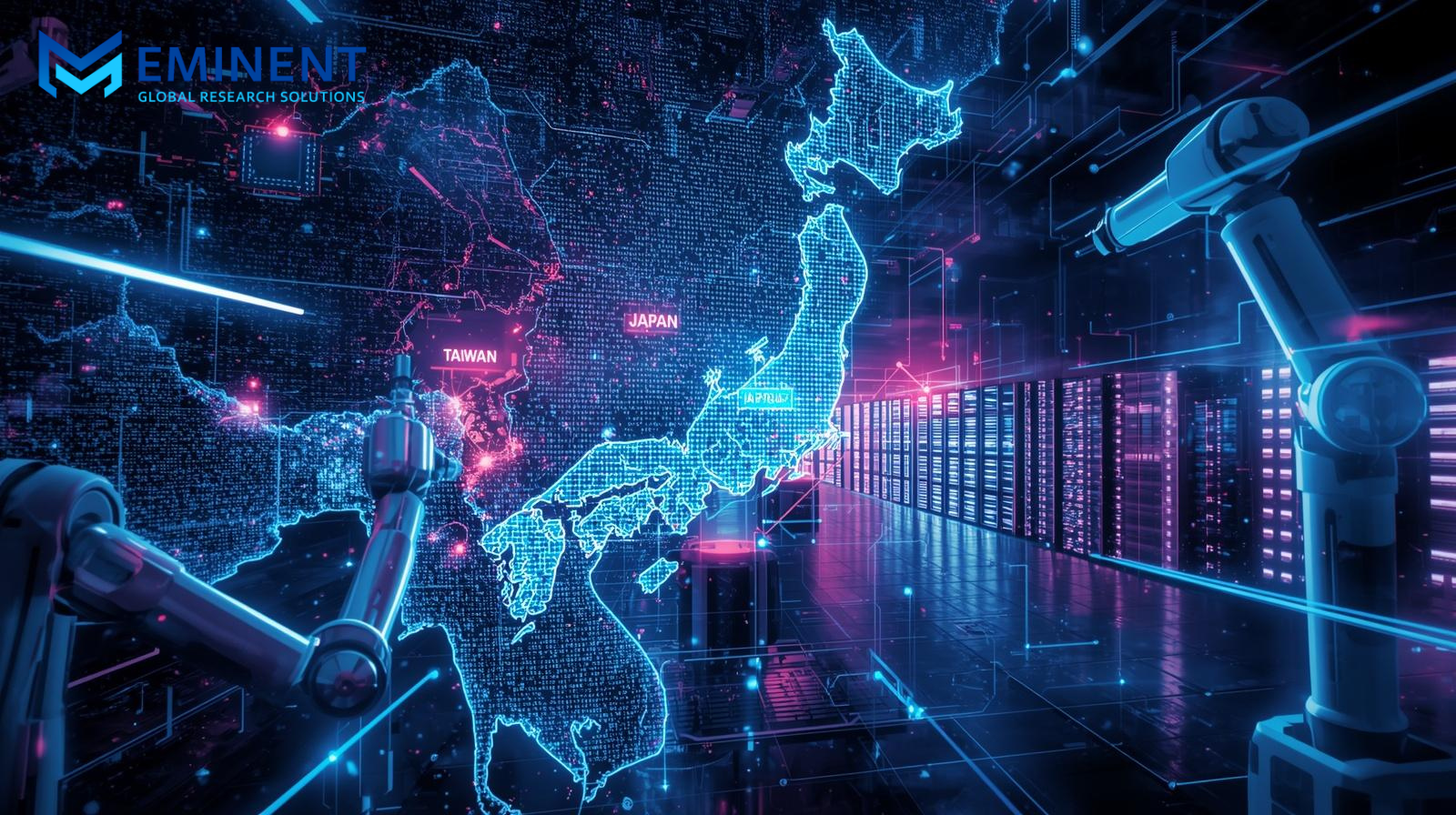
Artificial Intelligence (AI) is transforming industries worldwide, and Asia has emerged as a critical hub for technological innovation. Among the region’s leaders, Japan and Taiwan stand out as two of the most influential players shaping the global AI ecosystem. With strong semiconductor manufacturing, advanced robotics, and significant government investment in emerging technologies, these countries are driving the next wave of digital transformation.
Japan’s long-standing leadership in robotics and automation, combined with Taiwan’s dominance in semiconductor manufacturing, forms a powerful technological alliance supporting the growth of AI across industries.
Japan: A Leader in Robotics, Automation, and AI Research
Japan has built a global reputation for innovation in robotics, automation, and high-precision manufacturing. The country is integrating AI into a wide range of industries, including healthcare, automotive, electronics, and smart infrastructure.
Key strengths of Japan’s AI ecosystem include:
Advanced Robotics: Japan leads the world in industrial robots used in manufacturing, logistics, and healthcare. AI-powered robots are increasingly used in factories and service industries.
Smart Manufacturing: Japanese companies are integrating AI with the Industrial Internet of Things (IIoT) to create highly efficient smart factories.
Government Investment: Japan’s national innovation programs focus on AI, quantum computing, semiconductors, and next-generation digital infrastructure.
Aging Population Solutions: AI-powered healthcare systems and robotic caregivers are being developed to support Japan’s aging society.
Japan’s strategic approach combines research excellence, strong industrial capabilities, and public-private partnerships to accelerate AI development.
Taiwan: The Global Hub of Semiconductor and AI Hardware Innovation
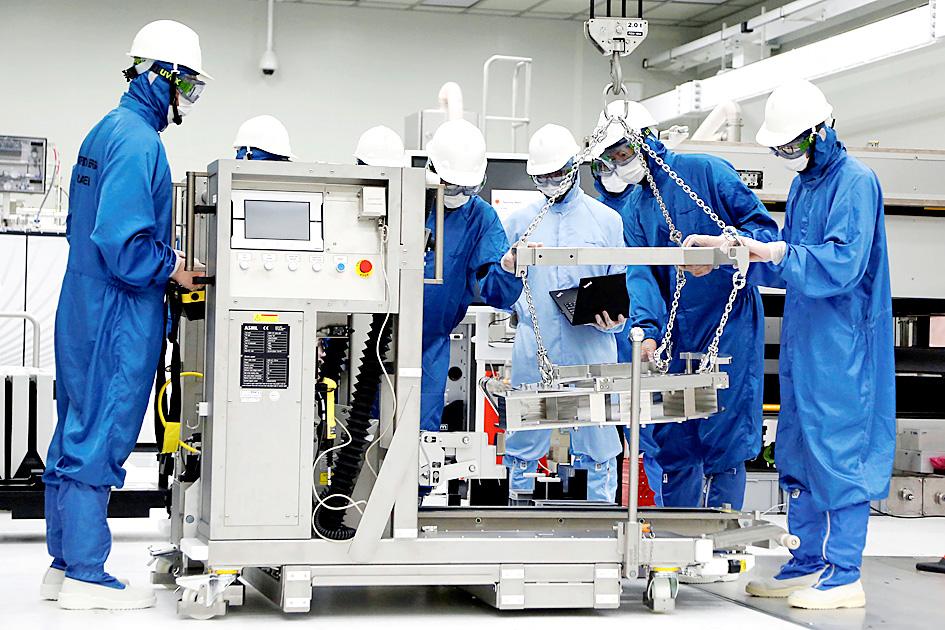
Taiwan’s Semiconductor Leadership
While Japan excels in robotics and advanced technology research, Taiwan is the backbone of the global semiconductor supply chain, producing many of the chips that power AI systems, data centers, and advanced computing.
Key factors behind Taiwan’s technological leadership include:
Advanced Chip Manufacturing: Taiwan produces a significant share of the world’s advanced semiconductor chips used in AI processors and GPUs.
Strong Semiconductor Ecosystem: A network of chip designers, foundries, and packaging companies supports large-scale innovation.
AI Hardware Development: AI accelerators, high-performance computing chips, and specialized processors are increasingly produced in Taiwan.
Global Technology Partnerships: Taiwan collaborates with international technology companies to develop next-generation AI infrastructure.
These capabilities have positioned Taiwan as a critical enabler of AI innovation worldwide.
Strategic Collaboration and Global Impact
The technological strengths of Japan and Taiwan complement each other. Japan contributes expertise in materials, robotics, and advanced manufacturing, while Taiwan leads in chip fabrication and semiconductor technologies.
Together, they support global industries including:
Artificial Intelligence and Machine Learning
Autonomous Vehicles
Data Centers and Cloud Computing
Consumer Electronics
Smart Cities and IoT Infrastructure
This collaboration strengthens supply chains and accelerates the development of cutting-edge technologies.
Future Outlook
As global demand for AI technologies continues to grow, Japan and Taiwan are expected to play an even larger role in shaping the future of innovation. Investments in semiconductor manufacturing, AI research, and digital infrastructure will further strengthen their positions as Asia’s technology powerhouses.
For technology companies, investors, and policymakers, the technological partnership between these two nations represents one of the most important forces driving the global AI revolution.